English
EN



At Holland Gold, you can purchase silver at the best price, fully tailored to your preferences and budget. You can choose from silver bars, silver coins and the option to buy physical silver through the Holland Gold App. When purchasing silver, you can have your bars and coins delivered safely and discreetly to your home, stored insured in the Netherlands, Switzerland or Singapore, or collected at one of our offices. Holland Gold guarantees the highest quality silver products and globally tradable bars and coins.
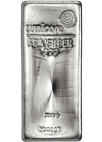
All silver bars purchased at Holland Gold are LBMA-certified and meet the international Good Delivery Status standard. Our silver investment coins come from reputable mints, ensuring you always receive the right quality and are never exposed to unexpected risks.
Since 2009, Holland Gold has offered a safe and easy way to buy and sell physical silver. In recent years, we have grown into the largest precious metals dealer in the Benelux. An increasing number of investors see silver as an attractive way to protect their wealth, leading to a strong rise in the demand for physical silver. The price of silver investment products is directly based on, and moves with, the current silver price.
Holland Gold stands for transparent pricing, clear information and the best service. When you buy silver online, you always see the exact price you pay, ensuring you never face unexpected surprises. In addition, we provide a buyback guarantee on all silver bars and silver coins.

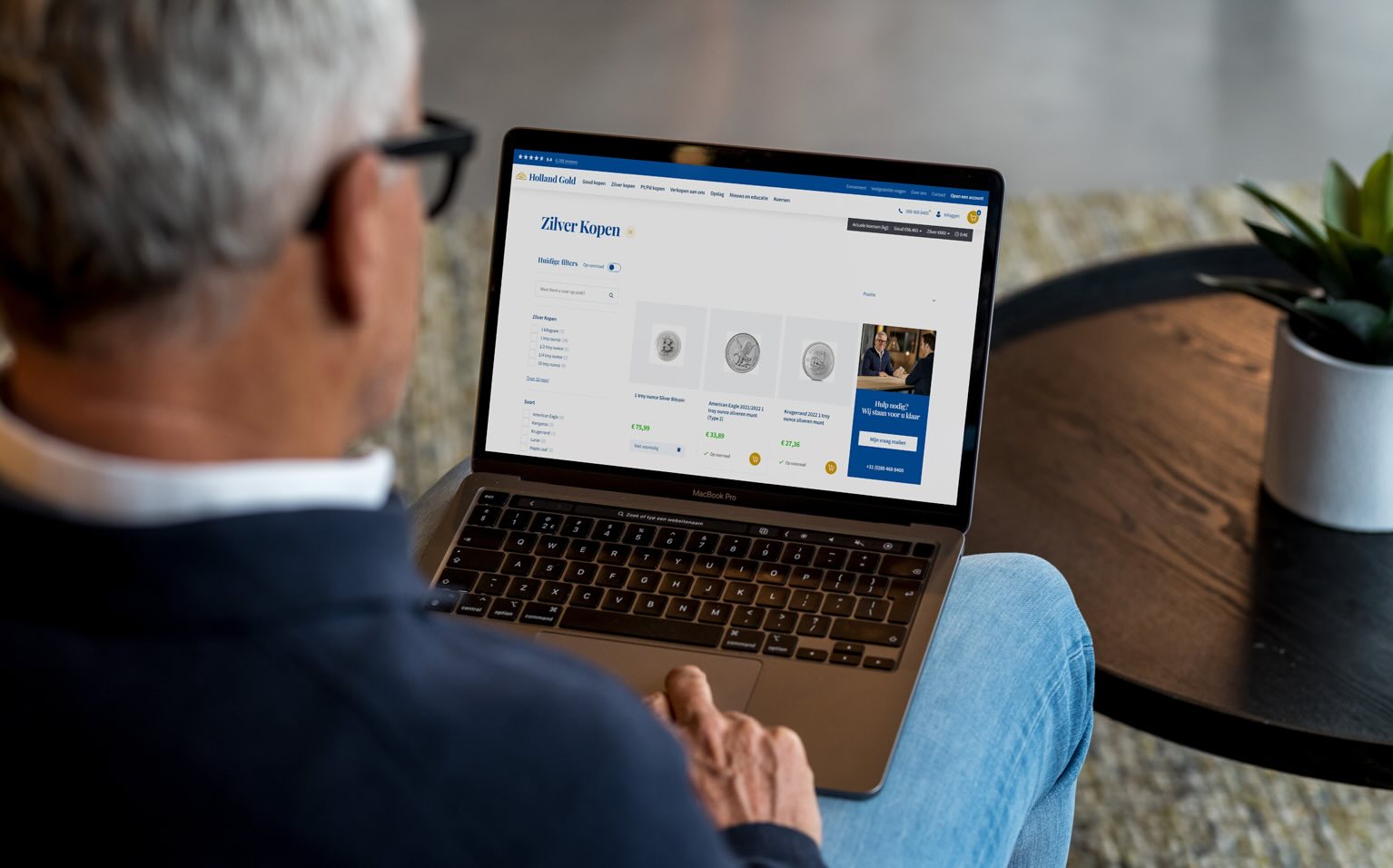
At Holland Gold, you can buy both silver coins and silver bars through our webshop or the Holland Gold App. Thanks to our extensive selection, you will find a wide range of brands and sizes. A frequently asked question we receive is: “What should I pay attention to when buying silver?”. Below, we explain step by step what to consider when purchasing silver as an investment.
When buying silver as an investment, it is important to understand the difference between VAT-liable silver bars and coins, and VAT-free silver products. The Dutch Tax Authority classifies silver as an industrial metal, which generally means a 21% VAT rate applies, unless coins fall under the margin scheme or bars are stored abroad.
You pay 21% VAT on newly issued silver investment coins (recognizable by the most recent year) and on silver bars purchased and stored in the Netherlands. These products are mainly suitable for businesses that can reclaim VAT.
You can buy silver without VAT when choosing silver bars stored in Switzerland or Singapore, silver coins labeled “various years,” or physical silver purchased through the precious metals account or the Holland Gold App.
For this reason, private investors in the Netherlands often choose silver coins or VAT-free bars combined with storage in Switzerland or Singapore, as these fall under the margin scheme. Silver bars stored in the Netherlands and newly issued silver coins are subject to 21% VAT.
On the specific product pages, you will find a clear overview of our full range. Each product shows whether VAT is included, which storage options are available and whether the item is in stock. Prices of silver coins and bars are linked to the live silver price and are updated automatically. Buying silver is safe and easy through Holland Gold.
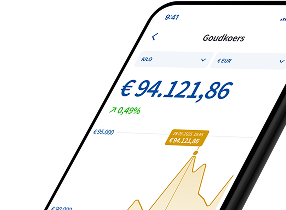
Do you want to buy silver quickly and easily? With the Holland Gold App, you can securely buy and sell physical silver wherever you are. You can open an account within minutes and start investing in silver from as little as €10.
With the app, you manage your silver holdings directly from your phone: buy, sell and track your investment in real time. You can trade 24/7 and always view the current silver price, allowing you to respond to market movements at the optimal moment. All silver purchased through the Holland Gold App is VAT-free.

Investing in silver is becoming increasingly popular. Silver is primarily an industrial raw material, and a large part of the global silver supply is used for industrial applications. Around half of the annual silver production is consumed by industries such as electronics, solar panels and industrial catalysts. In addition, silver remains popular for jewelry due to its shine and for investment coins because of their intrinsic value and return potential.
More and more investors choose silver because of its potential returns, its relatively low entry price compared to gold and the growing trend of sustainability and electrification, in which silver plays a crucial role. Products such as solar panels and electrical components contribute to a structurally increasing demand for silver. The gold-silver ratio is also an important factor for many investors, who consider silver an undervalued precious metal. As with any investment, it is important to stay properly informed and be aware of the risks associated with investing in precious metals.
There is regular speculation about possible silver shortages driven by strong industrial demand. Several notable historical short squeezes have occurred, including the well-known squeeze by the Hunt brothers in 1979–1980 (peaking in January 1980) and a smaller, Reddit-driven attempt in early 2021. In addition, some sources mention a potential, significant short squeeze in October/November 2025, during which silver prices may have reached new record levels.
Buying silver as a business investment is an appealing alternative to low savings interest rates and is often seen as a stable long-term investment with attractive returns. An additional advantage for entrepreneurs is that VAT on silver bars and silver coins can be reclaimed. At Holland Gold, we have seen strong growth in purchases by personal holdings and business investors in recent years. Do you have questions about buying silver for business purposes? Please contact us to schedule a free consultation.

Buying silver is not something you do every day, which is why it is important to have the right knowledge before you invest. For more than 15 years, Holland Gold has been the specialist in buying and selling physical silver. We are happy to help you with a free, personal consultation at one of our offices.
When buying silver as an investment, it is essential to do so at the most competitive price. For silver coins, the 1 troy ounce coin with “various years” is used for this purpose. For silver bars, this refers to bars stored in Switzerland or Singapore, or to precious metal purchased via the Holland Gold App through the precious metals account. On the Holland Gold website, you always see the current price per gram for each specific product, making it easy to determine which product is the most cost-effective.
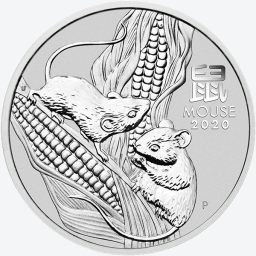
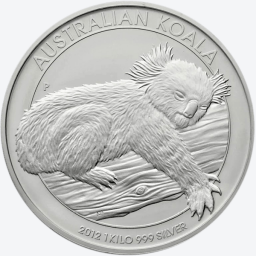
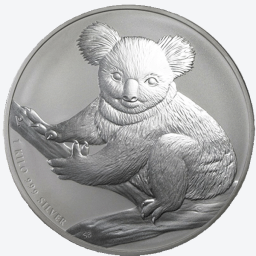
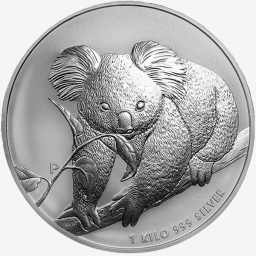
In addition to investment coins, there are also silver collector coins, such as the Lunar series, Kookaburra coins, Queen’s Beasts and various other popular series. These coins are issued in limited mintages and regularly change in design, making them especially interesting for collectors.
Silver collector coins are generally more expensive than investment coins, but when selling them, there is no guarantee that you will actually receive more. When silver coins are sold back, the value is usually based on the silver value rather than the collector value. To achieve a higher selling price, you need to find a buyer who is willing to pay that premium. This is in contrast to investment coins, which are usually cheaper and whose value consists of the silver value plus the premium. Read more about selling silver.
Buying silver with cash is possible at Holland Gold up to an amount of €3,000. A cash payment is always registered in your name; anonymous purchases are not possible. Due to legal guidelines under the Wwft, precious metals dealers are not permitted to accept cash payments of €3,000 or more.
You can place the desired products in your shopping basket and select cash/card payment at the office as the payment method. View our detailed explanation about paying for your silver with cash.
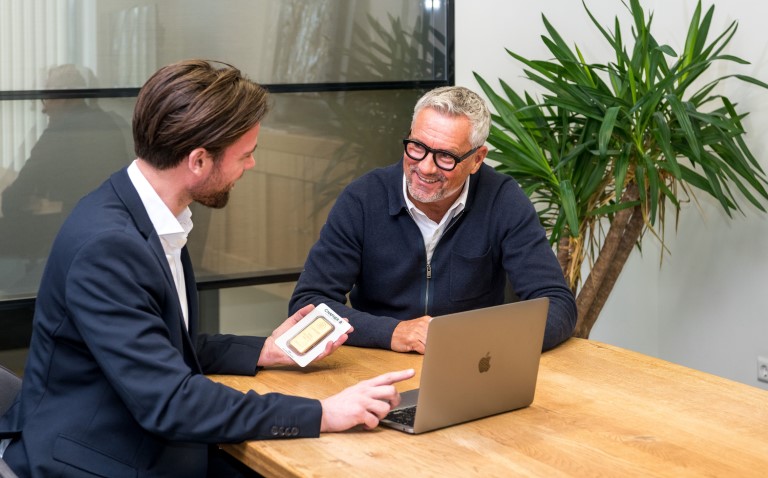

People think of silver as the poor man's gold, which is absolutely the wrong way to look at it. Gold has the most monetary character, but silver moves in times when a financial system is under pressure, at least as much as gold.


Silver is a commodity and monetary metal. Gold and silver have related to each other to some extent over a long history; This is called the gold-silver ratio. Silver has not been this cheap in 25 years compared to gold.
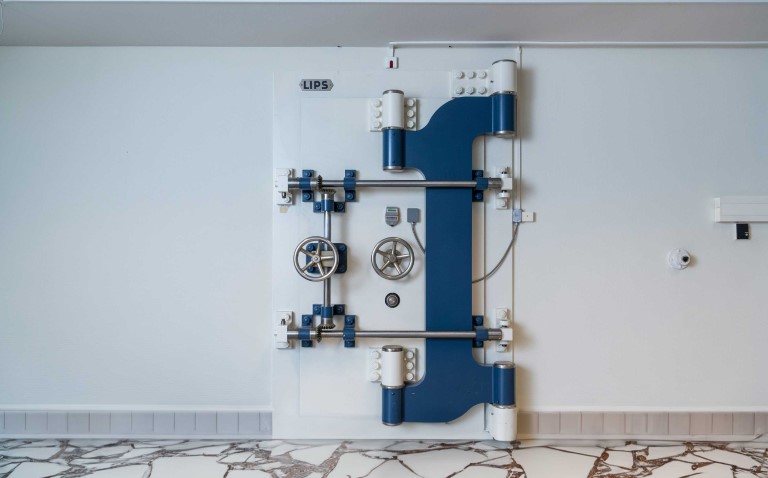



The Silver bars are taxed with 21% VAT in the Netherlands. Silver Coins are subject to the VAT margin scheme in the Netherlands where the selling party pays VAT on the sales margin. Silver bars in our Bins are exempt from VAT in Switzerland and Singapore, are located outside the EU.
Those looking to invest in silver can choose between silver coins and silver bars. Both forms consist of physical silver and are traded worldwide. However, there are clear differences between these two investment options, particularly when it comes to VAT and storage.
To understand the difference between silver coins and silver bars, it is important to distinguish between VAT-liable and VAT-free silver. Silver is classified by the Dutch Tax Authorities as an industrial metal. Therefore, a 21% VAT rate applies unless coins fall under the margin scheme or bars are stored in bonded vaults abroad.
Newly issued silver bullion coins (recognisable by the most recent year of issue) and silver bars purchased or stored in the Netherlands are subject to 21% VAT.
No 21% VAT applies to:
These “various years” coins fall under the margin scheme, meaning VAT does not apply.
Read more about the margin scheme
For private investors, purchasing VAT-free silver coins or bars is generally the most cost-effective way to invest in physical silver. The table below outlines the main differences:
| Feature | Silver coins | Silver bars |
|---|---|---|
| Available weights | From ¼ troy ounce (7.78 g) up to 5 kg | From 50 g up to 1,000 troy ounces (31.1 kg) |
| VAT-free purchase available? | Yes – “various years” silver coins | Yes – with storage in Switzerland or Singapore (bonded vault) |
| Legal tender | Yes | No |
| Liquidity | High, recognised worldwide | High, recognised worldwide |
| Storage options | VAT-free in private possession or in storage | VAT-free only with foreign bonded storage (otherwise 21% VAT applies) |
For most private investors, the following options offer the best value:
If you purchase silver as a business, you may be able to reclaim the 21% VAT on newly issued silver coins or bars through your VAT return. Always consult your accountant or tax adviser to confirm whether this applies to your situation before making a purchase.
The difference between new silver coins and mixed-year silver coins is that new coins come directly from the mint and usually bear the year of the current or upcoming issue. These coins are brand new, often include the latest security features, and are therefore slightly more expensive. They are delivered without any signs of wear and are subject to 21% VAT.
Mixed-year silver coins, on the other hand, are previously issued coins that have been purchased from private sellers or institutional investors. They are more affordable than new coins, may show slight traces of use, and often lack the most modern security features.
An important advantage is that these coins are exempt from 21% VAT, making them particularly attractive for private investors.
When reselling, you will receive exactly the same price for new silver coins as for mixed-year silver coins.
If you are a private investor looking to buy silver coins at the best possible price, mixed-year silver coins are a more attractive option than new ones. You purchase silver at a better price and will receive exactly the same resale value as with new silver coins.
No, silver bars are never supplied with a separate certificate of authenticity. This is why it’s important to buy silver bars that are LBMA-certified. LBMA stands for the London Bullion Market Association — the international organization that oversees the quality and provenance of precious metals.
Depending on their size, LBMA-certified bars are either casted or minted. All essential details are stamped directly onto the bar itself, making an additional certificate unnecessary.
Each LBMA-certified silver bar displays the following details, which together confirm the authenticity and origin of the bar:
Holland Gold exclusively sells silver bars produced by LBMA-accredited refiners. The Good Delivery status is an internationally recognized quality mark that sets strict standards for production, weight, and purity.
Learn more about the authenticity certificates that are standard with gold bars.
Yes, silver can tarnish over time. This natural process is called oxidation. During oxidation, silver reacts with substances in the air, such as sulfur compounds, or with skin oils upon contact. As a result, the surface of the silver may develop a black, milky, purple or sometimes green haze. Tarnishing does not affect the intrinsic value of the silver.
Silver coins can tarnish when stored in a humid environment or touched by hand. This can cause milky spots to appear, or the coin may gradually become darker or blacker. As long as the coin is not physically damaged—for example, by dents or scratches—tarnishing does not affect the buyback price.
If you store your coins yourself, we recommend keeping them in a dry, dark, and secure place, preferably in protective capsules or sleeves to minimize contact with air and skin oils.
For silver bars, tarnishing is hardly an issue. Even if a bar darkens slightly over time, this does not affect the buyback price when you sell it. Its value is determined solely by its weight and silver content.
For collectible silver coins, tarnishing can affect the collector’s value. Collectors often care about the appearance and condition of a coin. A heavily oxidized coin may therefore fetch slightly less than one in perfect condition.
By comparison, gold, platinum, and palladium do not oxidize and retain their shine even after prolonged exposure to air or handling.
Read more about the difference between silver bars and silver coins
Also read more about selling silver, selling silver bars, and selling silver coins.
Learn more about the difference between new silver coins and mixed-year silver coins.
Precious metals are not only interesting for private individuals. More and more entrepreneurs or business investors are opting for an investment in gold and silverThey buy gold and silver in the name of a business entity such as a private limited company.
Read here More about the advantages of buying precious metals for business.
With Holland Gold, you can start buying silver from as little as €10. This can be done easily through the Holland Gold app or via our website.
Download the Holland Gold app today in the App Store or the Google Play Store.
Silver that you hold as an investment is generally reported in Box 3 under ‘other assets’. This applies to your own coins and bars stored with Holland Gold Safe and to physical silver that you hold via the precious metals account and that we store for you. Silver coins and silver bars that you keep at home also fall under this category.
For this, you use the value of the silver on 1 January of the tax year. You determine the value based on the fair market value on this reference date, not on the amount you paid when purchasing it.
Do you hold silver as a business? The tax treatment may depend on your business structure and the way in which you use the silver. Therefore, ask your bookkeeper, accountant or tax adviser how you should process the silver in your records and tax return in your specific situation.
Silver forms part of your assets in Box 3. The Dutch Tax and Customs Administration applies a tax-free allowance, or threshold amount, on which you do not have to pay tax. If you meet specific conditions, this may apply to you.
There is no separate exemption specifically for silver. If the total value of your assets remains below the tax-free threshold, your silver will not affect your tax assessment. Always discuss the use of your exemption with your tax adviser or bookkeeper. Read more about the tax-free allowance on the website of the Dutch Tax and Customs Administration.
Holland Gold does not provide data to the Dutch Tax and Customs Administration. It is your own responsibility to correctly report your silver holdings. The price overviews have been compiled with care, but no rights can be derived from them, for example with regard to production premiums or collector’s value. If you have any doubts or questions about your tax return, consult a tax adviser or financial specialist.
More information about the tax and VAT rules when purchasing silver can be found under ‘Do I pay VAT on the purchase of silver?’