English
EN


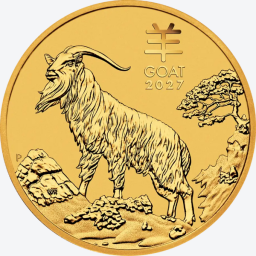
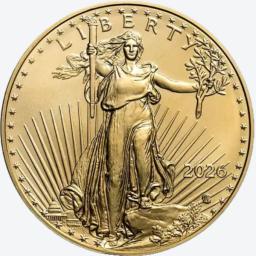


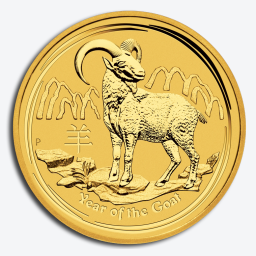
A 1 troy ounce gold coin contains 31.1 grams of pure gold. This is a widely used size for gold bullion coins. Well-known examples include the Krugerrand, Maple Leaf, Britannia, Philharmonic and American Eagle. These coins differ in purity, dimensions and design, but all contain 1 troy ounce of pure gold.
At Holland Gold, you can choose from different mints and years of issue. The gold bullion coins in our range are exempt from VAT. See the current selection above or explore our other gold coins.
A troy ounce is an international unit of weight for precious metals such as gold, silver, platinum and palladium. One troy ounce equals 31.103 grams. The international gold price is generally quoted per troy ounce. This makes 1 troy ounce a fixed reference point in the gold market. You can compare the gold value of a coin of this weight directly with the current gold price per troy ounce.
The origin of this unit dates back to the Middle Ages. Its name refers to the French trading city of Troyes, where merchants needed a standardized measure for valuable goods. This trading practice helped establish the troy ounce as a standard later widely used for precious metals.
One troy ounce is also among the most common sizes for gold bullion coins. Because these coins are produced and traded on a large scale, their premium above the gold value is often relatively low. A 1 troy ounce coin therefore combines a recognizable weight, an easily comparable gold value and generally competitive pricing.
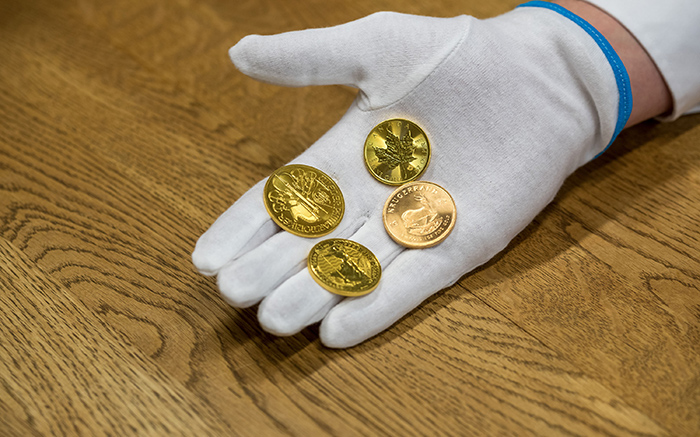
A 1 troy ounce gold coin contains 31.103 grams of pure gold. Its total weight may differ, however, depending on the purity and the metals added to the gold.
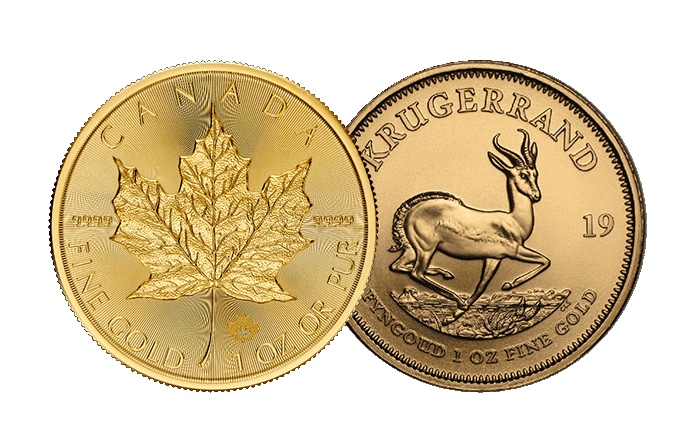
For example, the South African Krugerrand contains 22 carat gold, or 91.67% gold and 8.33% copper. It therefore has a higher total weight and a distinctive reddish color. The American Eagle is also a 22 carat coin, but contains both silver and copper in addition to gold. These additions make the coins harder and less prone to damage.
Coins such as the Canadian Maple Leaf and Austrian Philharmonic, by contrast, are made of 24 carat gold with a purity of 99.99%. They have a bright yellow color, but their softer gold is more susceptible to scratches.
For the intrinsic gold value, the difference between 22 and 24 carats does not matter. All these coins contain the same amount of pure gold: 1 troy ounce, or 31.103 grams.
Not every 1 troy ounce gold coin has the same dimensions. Diameter and thickness vary by mint, design and purity. The Canadian Maple Leaf, for example, has a diameter of approximately 30 millimeters, while the Austrian Philharmonic is noticeably wider and thinner at 37 millimeters. The American Buffalo falls between them at around 32.7 millimeters.
Because of their higher total weight, 22 carat coins such as the Krugerrand and American Eagle may also have different dimensions from coins made of almost pure gold.
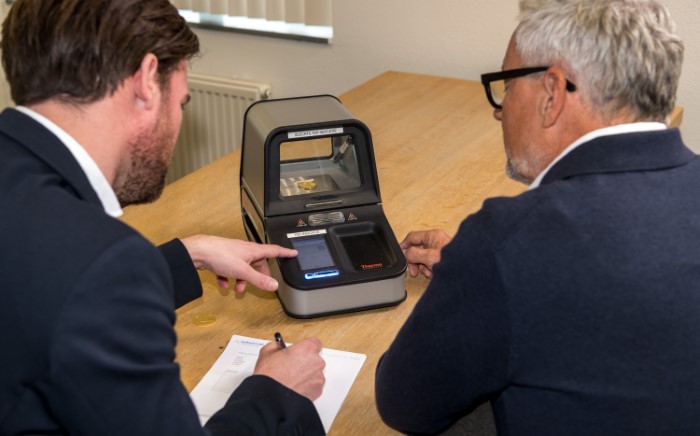
The relationship between weight, diameter and thickness also helps when checking authenticity. Because gold is very dense, counterfeiters find it difficult to reproduce both the correct weight and exact dimensions. These characteristics are therefore checked alongside the design details.
Gold bullion coins are exempt from VAT in the Netherlands if they meet several legal requirements. A coin must have a gold purity of at least 900/1000, have been minted after 1800 and be or have been legal tender in its country of origin. Its usual selling price must also not exceed the market value of the gold in the coin by more than 80%. Coins designated by the European Commission also qualify as investment gold. The gold bullion coins sold by Holland Gold fall under these rules. You do not pay VAT when purchasing them.
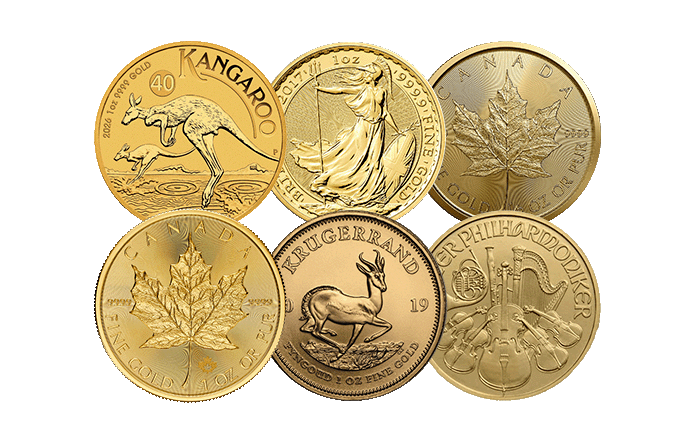
There is no single 1 troy ounce gold coin that is best for every buyer. Well-known bullion coins all contain 31.103 grams of pure gold, but differ in origin, purity, design and price. The 1 troy ounce coins offered by Holland Gold come from established mints and are intended as bullion coins.
Some well-known 1 troy ounce coins include:
The best coin for you depends mainly on your priorities. Buyers looking for a particular coin, design or the latest year are more likely to choose a specific series. Those mainly concerned with gold weight and less with the year or version can also choose mixed-year coins or coins from mixed producers.
The price of a 1 troy ounce gold coin follows the gold price. It is based on the market value of 31.103 grams of pure gold, plus an additional charge known as the premium.
The premium covers production, transport and trading costs, among other things. Its size varies by coin and may also change with supply and demand.
A newly minted current-year gold coin may therefore cost more than a mixed-year coin. If gold weight is your main priority, a mixed-year coin may be of interest because its premium is often lower.
The coin's weight also affects the premium. Smaller coins, such as 1/10, 1/4 and 1/2 troy ounce coins, often cost more per gram of gold because production and trading costs are spread across less gold. Larger coins, such as 2 troy ounce coins, are generally minted in smaller numbers and may therefore also carry a higher premium.
Do not compare coins only by their price per piece. Also consider the price per gram of pure gold and the difference between the purchase price and current gold value. Current prices for available coins are shown at the top of this page.
You can easily sell gold bullion coins back to Holland Gold. For common bullion coins, we generally pay around 100% of the current spot price. Always check our Sell to Us page for the current buyback percentage and price. There you can sell online 24/7 and schedule a collection date immediately. Prefer to sell by telephone? Feel free to contact us.
Mixed-year coins may have been in circulation before and can come from different years. Current-year coins have just been produced and come directly from the mint. Newly minted coins carry a slightly higher premium because of production costs. Mixed-year coins may show signs of wear and are generally somewhat less expensive. When selling back to us, it makes no difference whether you originally bought a new or mixed-year coin. You receive the same price for your gold.
Smaller 1/10 and 1/4 troy ounce coins have a lower purchase price but often a higher premium per gram. A 1/2 troy ounce coin is a middle ground, while 1 troy ounce is the most common size and often competitively priced. Larger 2 troy ounce coins are less common and may be relatively more expensive. Buyers with a smaller budget can also consider historical gold coins, as they often carry a lower premium than small modern bullion coins.
Well-known bullion coins such as the Maple Leaf, Krugerrand and Philharmonic are internationally recognizable and widely traded. The final selling price depends on the current gold price, type of coin and the dealer's buying conditions, among other factors. If you bought your coins from Holland Gold, we offer a buyback guarantee.
That depends on your preferences. Gold coins are often internationally recognizable and available in various designs and weights. Gold bars usually have simpler designs and can be relatively competitively priced at higher weights. See our FAQ about the difference between gold coins and gold bars for a detailed explanation.
The difference between bullion coins and historical gold coins is that mints produce bullion coins today for investment purposes, while historical coins were originally minted as actual money. These historical coins often have a history stretching back more than a century.
Bullion coins are often still being minted and are internationally known and tradable, such as the Krugerrand or Maple Leaf. For historical coins, you often receive slightly less on resale than for bullion coins. Our FAQ on the difference between historical gold coins and bullion coins provides further information.
Not if your main aim is investing in physical gold. Bullion coins are produced in larger quantities and intended primarily for investors. Proof coins have a more elaborate finish and are often issued in smaller numbers, so you usually pay a higher premium.