English
EN


There are several ways to extract gold such as along riverbeds, underground, open-pit gold mines and hydraulic mining. Below you will find all the information about the different types of gold mines.
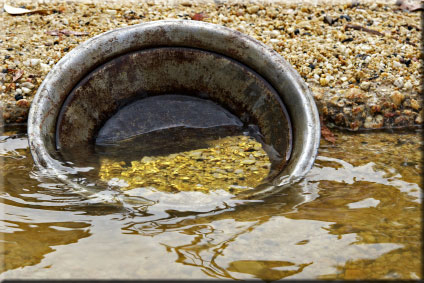
The most accessible method is to search along rivers, as they often contain gold particles from the mountains. With the help of a scale, it is possible to separate gold particles from the rock, a time-consuming process that is also called 'panning'. Later, this process was mechanized by attaching several buckets to a belt and making it rotate with the flow of the river. This made it possible to excavate a larger amount of sand and gravel from rivers. From the end of the 19the century came the first machines powered by electricity and electricity.
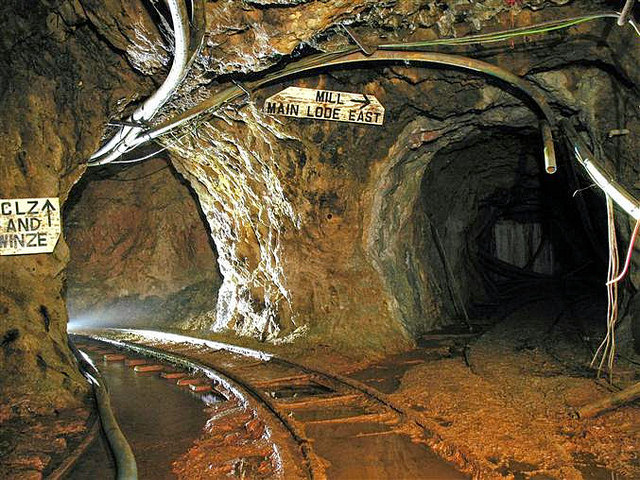
Another well-known method is to search underground for gold veins. These are the so-called closed mines. When an area with a high concentration of gold is found, one can go into depth to follow the course of these gold veins. These underground tunnels can be dug up to several kilometres deep. The deepest mine in the world is located in South Africa and has a depth of 3.9 kilometers below the earth's surface. To make it possible to work in such deep mines, investments must be made in water drainage, ventilation and lifts. The rock with gold ore is brought to the surface in these mines by wagons, after which it is further ground and purified.
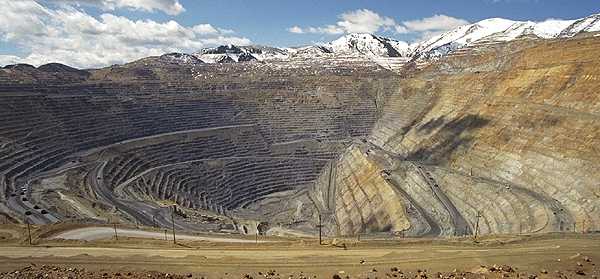
When a high concentration of gold is found in a certain area, it can sometimes be lucrative to dig a large pit hundreds of meters deep. With the help of large excavators, trucks and explosives, rock is extracted from the mine. This rock is ground into grit in large drums, after which gold particles are separated from the crushed grit with the help of hydrocyanic acid and zinc powder. In these mines, often only a few grams of gold are extracted from a ton (1,000 kilos) of rock. In this type of mine, the top layer of 2 meters is often stored in a separate place, so that the mine can be returned to nature more quickly afterwards.
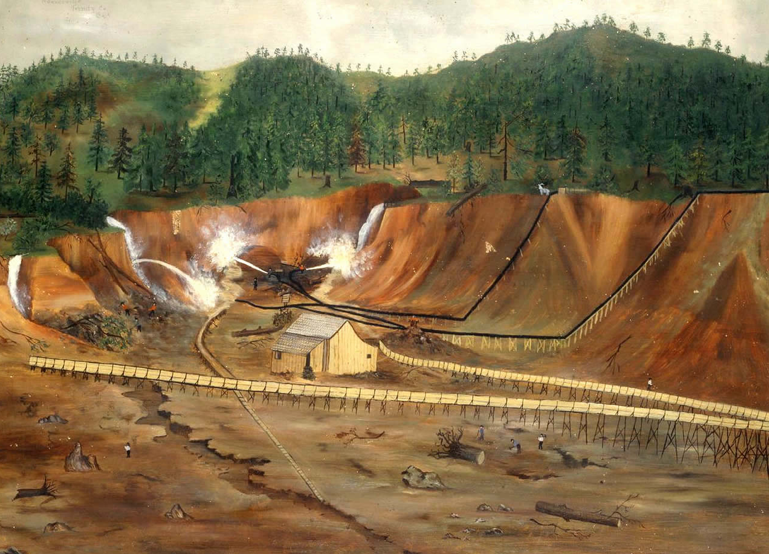
Another method that was developed later uses special high-pressure installations. These can wash away rocks and rock under very high water pressure. The water with grit and sand particles washes down and is collected in special settling tanks. The gold particles sink into it, while the water washes away. This method is very harmful to the environment, because the polluted water flows with the sand and gravel towards existing rivers. This is harmful to the fish and other animals that live in or near the river.
Source: Teara.govt.nz