9.2
8.899 reviews

English
EN


The Russian central bank is said to be considering buying gold through the Moscow gold exchange, it reports Reuters based on two well-established sources. The central bank is the largest buyer of gold and can therefore give a significant boost to the Moscow stock exchange, where gold has only been traded since 2013. Relatively little gold is traded on this exchange, but that could change if the central bank wants to buy precious metals through this channel.
The central bank of Russia has already bought hundreds of tons of gold in recent years, largely through direct 'over the counter' transactions with banks. This is the most common method for central banks, as it allows them to trade gold discreetly without directly influencing the price.
The question is, therefore, why the central bank is now considering buy gold via the Moscow Stock Exchange. One possible explanation is that Russia wants to improve transparency in the gold market, as the Russian central bank seems to be pursuing the same in other financial markets.
Figures from the central bank show that Russia has already added 131 tonnes of gold to its reserves in the first nine months of this year. The central bank sees the gold reserve as a form of diversification because, unlike foreign exchange reserves, it is not sensitive to political risk.
That risk has increased significantly since 2014 with the introduction of Western sanctions. In Russia, the central bank is the largest buyer of the precious metal, the private demand for Gold bars and coins is very low due to the high tax rate.
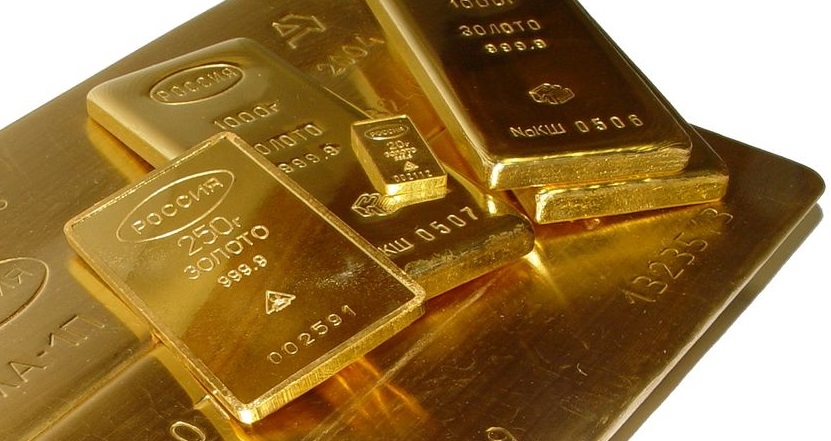
Russian central bank wants to buy gold via Moscow gold exchange


