English
EN


Due to the extremely low interest rates, more and more Japanese people keep their savings at home in a safe deposit box, writes the South China Morning Post. Savers fear increasing financial repression in the form of negative interest rates and higher taxes on wealth and try to avoid this by putting banknotes in a safe.
Japan, like many other Asian countries, has a culture of thrift, where it is normal to put money aside from an early age. That culture hasn't changed in recent years, but due to the central bank's monetary policy, more and more savers in Japan are now looking for alternatives to a savings account with the bank.
One such alternative is to withdraw cash and keep it at home. This is happening more and more often, because the shops that sell safes have been booming for some time. The South China Morning Post writes that some stores have even placed the lockers in a prominent place so that customers can easily find them.
Sales of these small lockers - with prices as high as $180 - already increased by 20 percent last year and are expected to increase again this year.
Before the bursting of the Japanese stock market bubble in the 1990s, it still made sense to put money in a savings account, because banks then offered much more interest for savings. In ten years' time, you could only double your savings through the interest on interest effect, so it was not interesting to keep cash in a safe. That is different today, because with the additional costs of the bank, a savings account in Japan yields virtually nothing.
Extremely low interest rates have become a global problem, especially for savers and pension funds. They struggle with low returns and look for alternative investments such as shares, real estate and precious metals. This explains why shares, bonds and real estate have also risen so sharply in price in recent years. Also Buy gold is an interesting option, as the precious metal tends to perform well in times of negative real interest rates.
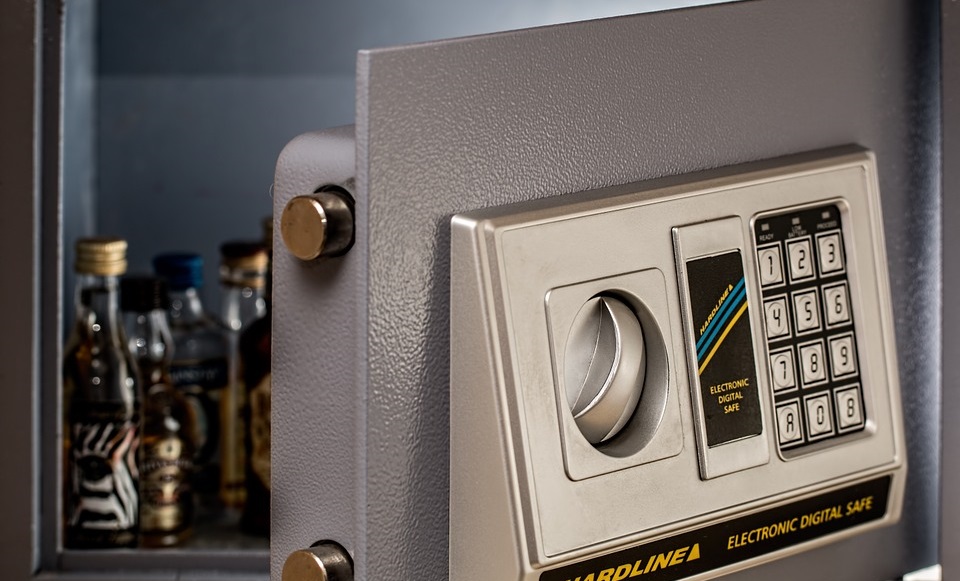
Japanese people are more likely to put cash in lockers