9.3
9.038 reviews

English
EN


Global debt reached a record level of last year of 325 percent of GDP, the Institute for International Finance (IIF) concluded last week. Government debt in particular rose remarkably fast in 2016, which may be explained by exceptionally low interest rates and more fiscal stimulus.
According to the report In the first nine months of 2016, global debt increased by more than $11 trillion to a total of $217 trillion. Nearly half of this increase was accounted for by governments, with the rest borrowed in the private market. The sharp increase in debt in emerging markets, where governments borrowed almost three times as much money in 2016 as in 2015, is striking. Especially in China, a lot of money was borrowed.
The rise in global debt was barely felt last year, as interest rates continued to fall. That could change this year, as Donald Trump's policies are expected to lead to higher inflation and higher interest rates. According to the IIF, the debt burden will also weigh more heavily this year due to relatively weak economic growth and a further rise in the dollar. An expensive dollar means that loans in this currency become more expensive to repay. Also, higher interest rates will make it difficult for more companies to obtain credit.
Finally, the report points to the harmful effects of increased protectionism on the capital market. As a result, the availability of credit may deteriorate.
"A shift towards more protectionist policies could also have an impact on global capital flows. Due to the City of London's importance in lending and derivatives (especially for companies in Europe and emerging markets), the uncertainty surrounding the Brexit entail additional risks, such as higher borrowing costs and higher costs of hedging risks."
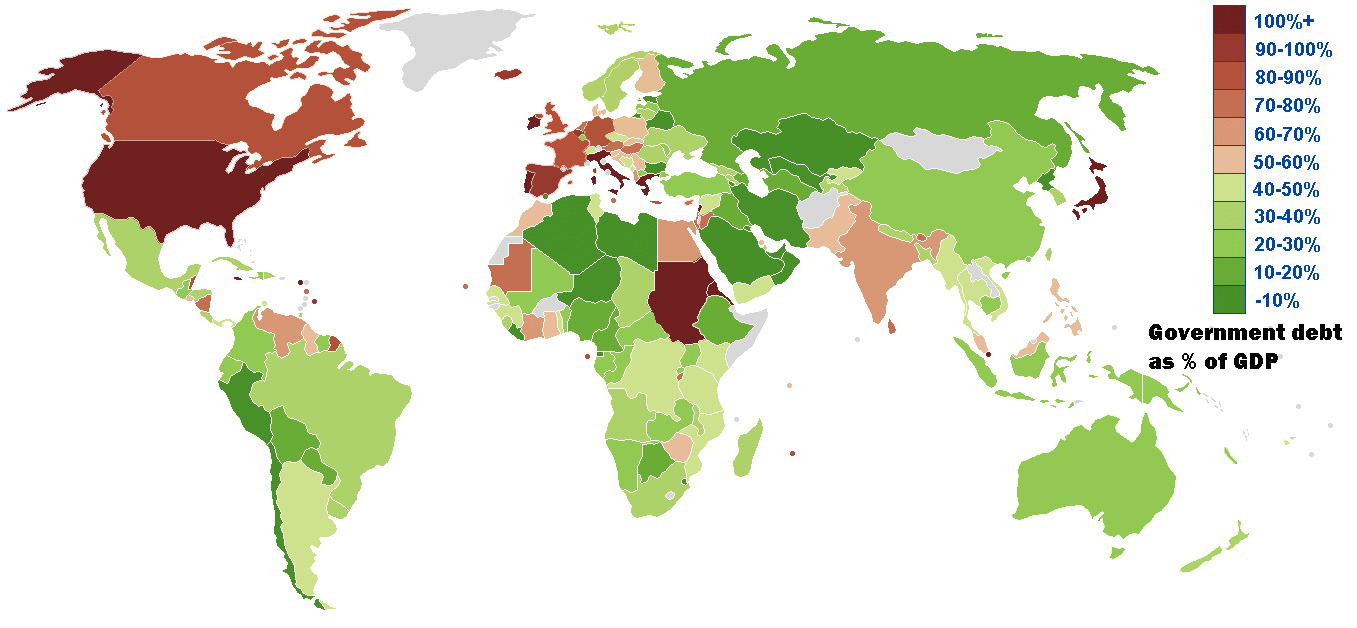
Global debt is rising rapidly