English
EN


The gold price fell this week to its lowest level in more than a year, and even Goldman Sachs revised its forecast downwards. Yet this is not a story of a market heading for the exits en masse. Looking at who is selling and who is buying reveals two types of money reacting in exactly opposite ways.
Spot gold briefly fell to $3,531 per troy ounce on Friday morning, its lowest level since September 2025, and is now trading at around $3,570. Gold is heading for a weekly loss of almost 9%, its worst week in eight months. That puts the price more than a third below January's record of nearly $5,600. In euro terms, a kilogram of gold costs approximately €104,800 (see the current gold price here). The silver price fell even more sharply: at around $42 per ounce (approximately €1,220 per kilogram), silver is more than a quarter cheaper than a month ago. We discussed prices earlier this week in a market update; here, the focus is on who is selling and who is buying.
The cause lies in Washington. US inflation remains stubborn: producer prices rose by 6.5% year on year in October, the fastest pace since 2022. According to the minutes released on Wednesday, almost all Fed policymakers expect an interest rate increase in December. A large majority fear that inflation will persist even if gasoline prices fall and the effects of import tariffs and the construction of AI data centres fade. Investors now consider a rate increase on December 9 a certainty: a 94% chance of a quarter of a percentage point and a 6% chance of half a percentage point. Meanwhile, the dollar is trading near its highest level in 19 months.
Why does this affect gold? Higher interest rates make bonds and savings relatively more attractive than gold, which pays no interest. A stronger dollar also weighs on the gold price, which is quoted in dollars. This particularly affects those who measure their investments in dollars: an American investor sees the value of their gold fall while government bonds offer increasingly higher yields. For a European investor, the loss was slightly smaller, as the euro fell below $1.10 this week, its lowest level since April 2025.
North America was the only region to see outflows from gold ETFs in October: $512 million (see Chart 2). According to the World Gold Council, American investors were probably raising cash following the sell-off in technology stocks. That pattern repeated itself this week: following another AI-driven slump in equity markets, investors sold gold to cover losses elsewhere.
Western retail investors are also keeping their wallets closed. In the third quarter, US demand for bars and coins was at its weakest since late 2019, while European demand fell by 31%. There is no sign of panic: the global supply of recycled gold fell to its lowest level in three years.
And according to Goldman Sachs, the selling pressure is not over yet: trend-following funds and macro funds may be forced to sell when they hit their loss limits, amplifying price declines.
On the other side of the market are central banks. They bought a net 321 tonnes of gold in the third quarter, 42% more than a year earlier and well above the five-year average of 227 tonnes per quarter. It was their strongest quarter since late 2024.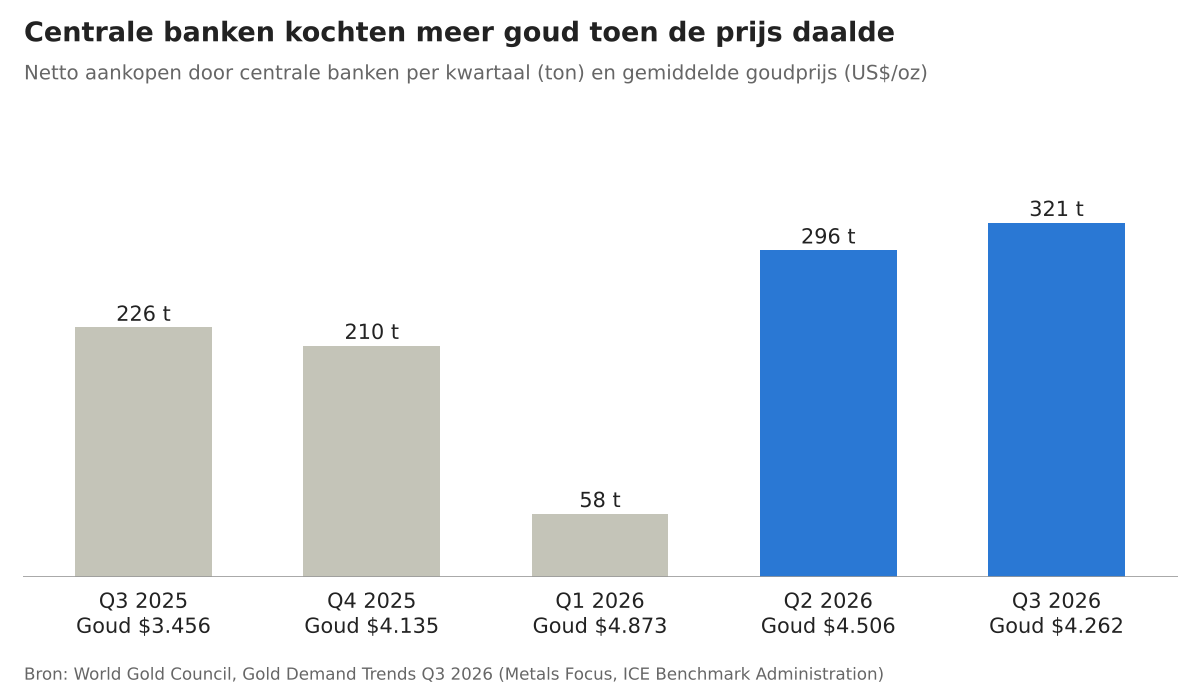
Chart 1. Source: World Gold Council, Gold Demand Trends Q3 2026.
The chart shows how they operate. When gold peaked in the first quarter, central banks bought very little: 58 tonnes. As soon as the price fell, they stepped back in. The World Gold Council finds a strong negative correlation: the worse the quarter for gold, the more they buy.
China is leading the way, as we wrote last week. The Chinese central bank bought almost 26 tonnes in October, its 24th consecutive month of purchases, while the gold price fell by more than 6% that month.
Not all central banks are buying. Russia sold 19 tonnes in the third quarter; Russia and Turkey together have sold a net total of around 140 tonnes this year. And approximately 63% of third-quarter purchases were not officially reported.
Some investors are also thinking long term. European and Asian gold ETFs saw substantial inflows in October, even as the gold price fell that month. Globally, money flowed into gold ETFs for the fourth consecutive month. In October, inflows totalled $2.7 billion, and gold holdings rose to a record 4,275 tonnes.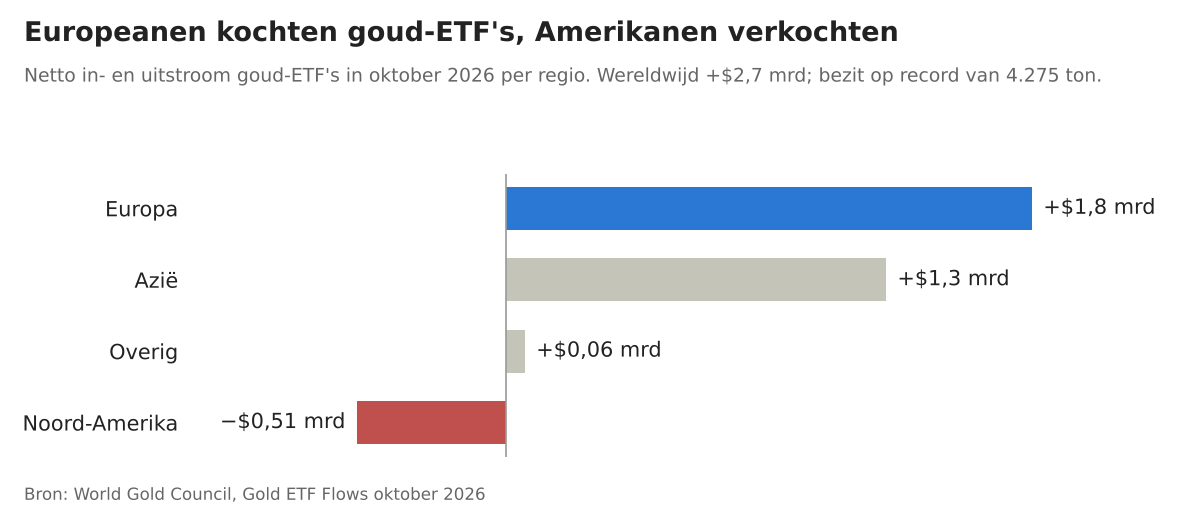
Chart 2. Source: World Gold Council, Gold ETF Flows October 2026.
According to the World Gold Council, Europeans are buying out of concern about politics and public finances. However, the record applies to tonnage; in dollar terms, the value of ETF holdings fell by around 6%. The figures cover the period through the end of October: whether Europeans are also riding out November's decline will only become clear in early December.
Central banks think in decades rather than quarters. According to the World Gold Council, diversification and risk management are their main motivations, not the daily price. Our interpretation: in a world where governments are borrowing ever more and reserves held in other countries' currencies have become a political risk, gold is attractive precisely because it is not another country's debt.
This very divide is central to Goldman Sachs' new outlook for gold. The investment bank lowered its price target for the end of 2027 twice within a month: first from $5,400 to $4,800, and this week to $4,650. The scenario the bank previously described as pessimistic is now its base case.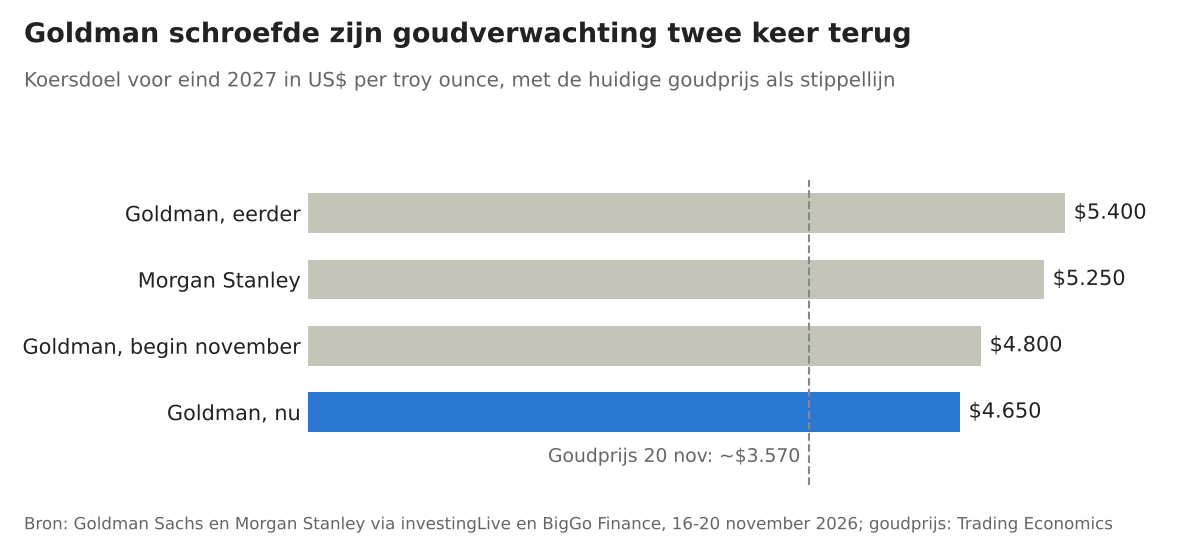
Chart 3. Source: Goldman Sachs and Morgan Stanley via investingLive and BigGo Finance
The reason is interest rates. Goldman expects another increase in March 2027 following December's hike, with the first cut not expected until late 2027. The market is even more hawkish: it is pricing in three to four rate increases by September next year. As long as that remains the case, fast money will keep its distance. Whether the market will be proved right remains an open question: Jack Hoogland argued yesterday that investors are pricing in too many rate increases, given the sharp fall in oil prices since late October.
Why, then, does Goldman still expect a higher gold price? The answer: patient money.
The bank expects central banks to purchase around 60 tonnes per month, both this year and next year. This is its own estimate and is more conservative than the World Gold Council's. On that basis, its $4,650 price target is still around 30% above the current price. Goldman does not expect a new record for roughly another two years: $5,600 at the end of 2028.
In short: interest rates determine the price in the short term, while central banks determine its direction over the long term.
Does this mean the decline is over? Not necessarily. The World Gold Council itself warns that central bank buying is too inconsistent to put a firm floor under the price. As long as the Fed raises interest rates and the dollar remains strong, gold could fall further.
History does offer some guidance. Katusa Research examined the five midterm election years since 1978 in which the Fed raised interest rates or had just paused its rate hikes. A year after the elections, gold was higher in four cases and unchanged in one (1994); the median gain was almost 21%. It is a small sample, and the past offers no guarantees, but it fits this narrative: rate increases weigh on gold primarily in the short term.
Moreover, investors expect inflation to remain high: ten-year US inflation expectations, as priced by financial markets, stood at their highest level in 19 years at the end of October. That is hardly surprising, as the money tap is still open: despite the rate increases, the US money supply (M2) grew by 5.7% year on year in September, its fastest pace since May 2022, reaching $23.4 trillion.
The Fed's balance sheet has even been expanding again since December 2025. The Fed is therefore making money more expensive while continuing to allow its supply to grow (see also: Is Everything Getting More Expensive, or Is Your Money Losing Value?).
Rate increases therefore do little more than slow price rises. The underlying causes remain: a growing money supply, rising government debt and expensive energy. Gold has traditionally offered protection against precisely this kind of loss of purchasing power.
Those who hold gold or silver as insurance are put to the test during a period like this. Fast money exits with every rate increase.
Patient money stays and buys more. The question, then, is not where the price will be tomorrow, but why those with the longest time horizons are continuing to buy right now.
Take a look at our YouTube channel
On behalf of Holland Gold, Paul Buitink and Yael Potjer interview a range of economists and macroeconomic experts. The podcast aims to give viewers a clearer understanding and firmer footing in an increasingly fast-changing macroeconomic and monetary landscape. Click here to subscribe.