English
EN


A 1 kilogram gold bar contains 1,000 grams of gold with 99.99% purity and is the largest standard size in Holland Gold's range. These bars come from LBMA-accredited refineries meeting internationally recognized quality requirements. Their substantial weight spreads additional costs over more gold, so the premium per gram is generally below that of smaller bars.
Holland Gold offers 1 kilogram bars from internationally recognized refineries including C. Hafner, Umicore and Argor Heraeus, with storage in the Netherlands. You can also choose a kilogram bar with insured storage in Switzerland or Singapore. See the current range of gold bars for producers and prices.
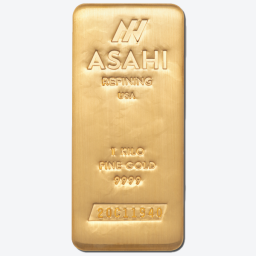
A 1 kilogram gold bar contains 1,000 grams of gold with a purity of 999.9/1000, equivalent to 24 carats. You buy considerably more physical gold at once than in standard 50, 100, 250 or 500 gram bars.
The kilogram bar is the largest standard weight in Holland Gold's regular gold bar range. Because one bar contains so much gold, costs per gram are relatively low.
However, a kilogram is less flexible to sell than several smaller bars. Someone holding four 250 gram bars can sell one and keep the rest. With one kilogram bar, you sell the entire bar.
It therefore particularly suits investors deliberately buying physical gold in larger units who value a low premium per gram.
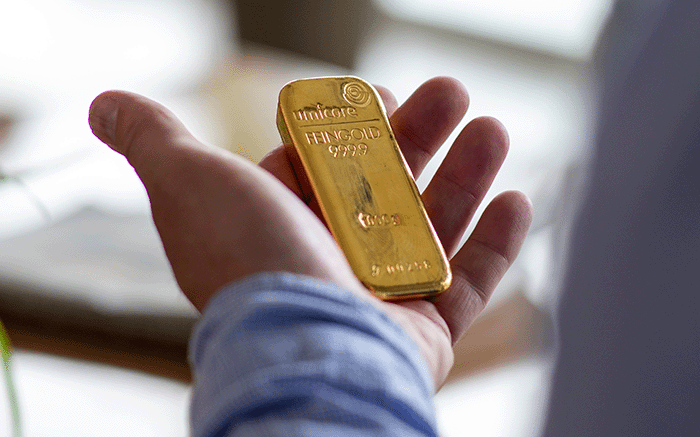
Holland Gold offers kilogram bars from several established refineries. The producer available for immediate delivery varies with stock.
The producer does not change the amount of gold: a 999.9/1000 kilogram bar always contains almost 1,000 grams of pure gold. Differences mainly concern producer, price, packaging, availability and storage or delivery arrangement.
A 1 kilogram bar is worth a substantial amount, so storage often matters more for this size than for smaller bars.
You can keep the bar yourself in a suitable safe. Consider security as well as your insurance terms and maximum coverage.
Professional storage is another option. Holland Gold offers insured precious metals storage in the Netherlands, Switzerland and Singapore. Specific kilogram products combine the purchase directly with storage in Switzerland or Singapore.
With Swiss storage, the physical Valcambi kilogram bar is stored with its unique serial number. Professional storage can be appealing for larger amounts if you do not want to keep gold at home and value secure, insured storage.
LBMA stands for London Bullion Market Association. Refineries on its Good Delivery List must meet strict standards for quality, production, financial reliability and responsible precious metals sourcing.
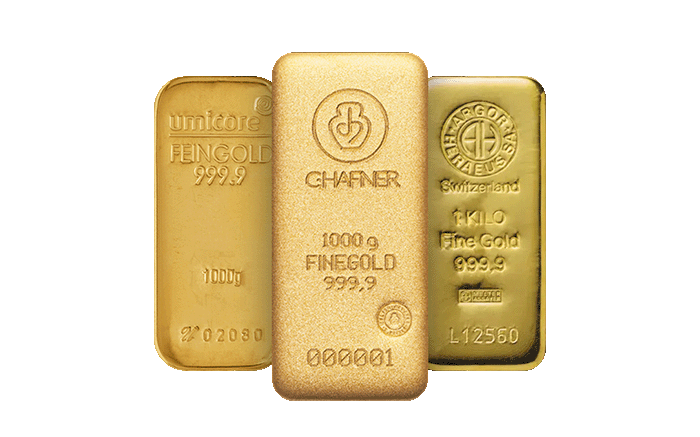
Producers including C. Hafner, Umicore and Argor Heraeus are LBMA-accredited refineries. Their production processes and gold quality meet internationally recognized standards in the professional gold market.
For buyers, it is important that a bar comes from a well-known and recognized refinery. This supports international recognition and tradability. Its kilogram bars also display weight, purity and a unique serial number identifying each bar.
Read our FAQ on what the LBMA standard means.
The chief advantage of a kilogram bar is the relationship between gold weight and additional costs. Production and trading involve costs, but these are spread over 1,000 grams of gold.
The premium per gram is therefore lower than for smaller bars. A kilogram bar can be an efficient way for investors converting a larger sum into physical gold at once to buy as much gold as possible for their money. Holland Gold therefore presents kilogram bars from C. Hafner and Umicore, among others, as having a very favorable price per gram.
The drawback is less flexibility. A kilogram bar cannot be divided: selling it means selling the full kilogram. Anyone expecting to sell only some of their gold may prefer several 250 or 500 gram bars.
The choice mainly balances a low premium per gram against flexibility when selling later.
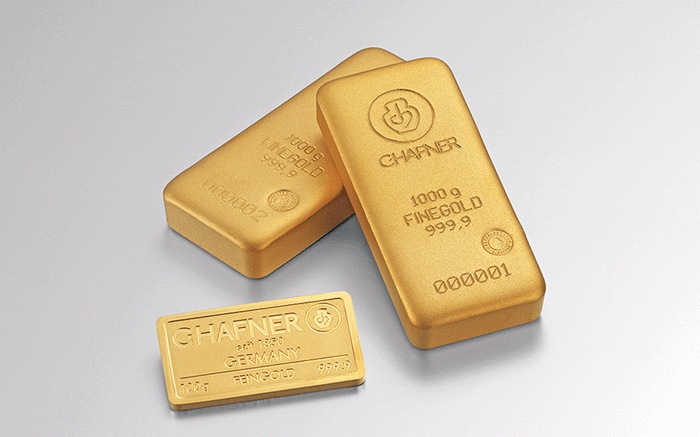
The price of a 1 kilogram bar largely reflects the market value of 1,000 grams of pure gold, plus a premium.
The premium covers costs incurred in producing and trading the bar. Since those costs are spread over 1,000 grams, the premium per gram is generally lower than for smaller bars.
Gold prices change during the day, and kilogram bar prices move with them. Prices can also differ between producers such as C. Hafner, Umicore and Argor Heraeus due to availability and production costs.
When comparing, consider the price per gram and the difference between selling price and current gold value, not just the total purchase amount.
You can sell a 1 kilogram bar back to Holland Gold. Our sell gold bars page shows the current buyback price and its percentage relative to the spot price.
Buyback prices follow gold prices and can change during the day. You can place a sell order online 24/7 and lock in the price.
Holland Gold offers a buyback guarantee for bars purchased from us. Bars bought elsewhere can also be sold to us. Check the selling page for current prices and conditions.
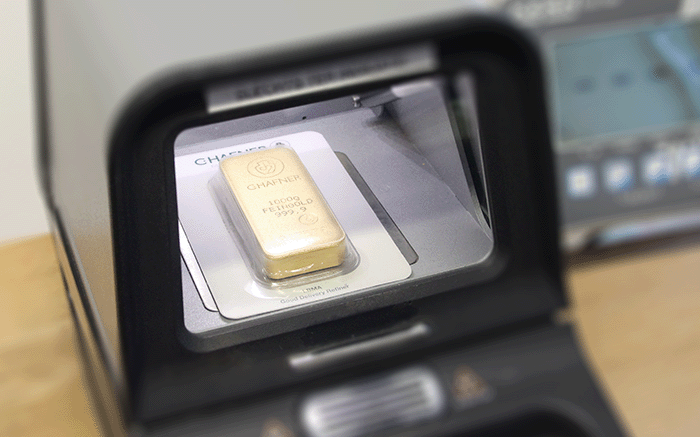
Yes. A 1 kilogram bar with 999.9/1000 purity qualifies for the Dutch investment gold VAT exemption. Gold bars must have a weight accepted by the gold market and a minimum purity of 995/1000.
One kilogram bar normally has a lower premium per gram. Several smaller bars offer more flexibility because you can sell part of your gold later. The more practical option depends on your investment amount and the importance of flexibility at resale.
Not for the amount of gold: 999.9/1000 bars from C. Hafner, Umicore and Argor Heraeus contain virtually the same amount of pure gold. A familiar producer can matter for recognition and tradability. Holland Gold therefore sells only bars from LBMA-accredited refineries meeting strict international quality requirements.
Physical gold held as an investment may count toward your assets in box 3 for Dutch income tax, the Dutch tax on assets. The Dutch Tax Administration (Belastingdienst) includes investments and movable property held as investments among assets potentially falling under box 3. Whether you owe tax depends on your overall personal financial position. See our FAQ on tax and physical gold.
Kilogram bars are generally cast. Molten gold is poured into a mold, then finished and marked with details such as weight, purity and serial number. The C. Hafner and Argor Heraeus kilogram bars in our range are cast versions.
Smaller bars are more commonly minted. They generally have a smoother, more regular finish, are cut from gold sheet and then marked. The production method does not change the amount or value of the gold.
A London Good Delivery bar is different from a 1 kilogram gold bar. These international trading bars weigh about 400 troy ounces, or around 12.5 kilograms, and are used in the professional gold market.
These large bars are traded among banks, institutional investors and central banks. They are also the classic large gold bars many people recognize from films and images of gold vaults.
A refinery authorized to make these bars to the required standard may be included on the LBMA Good Delivery List. The same refineries also make smaller bars, including 1 kilogram, 500 gram and 100 gram bars.
.jpg)