English
EN


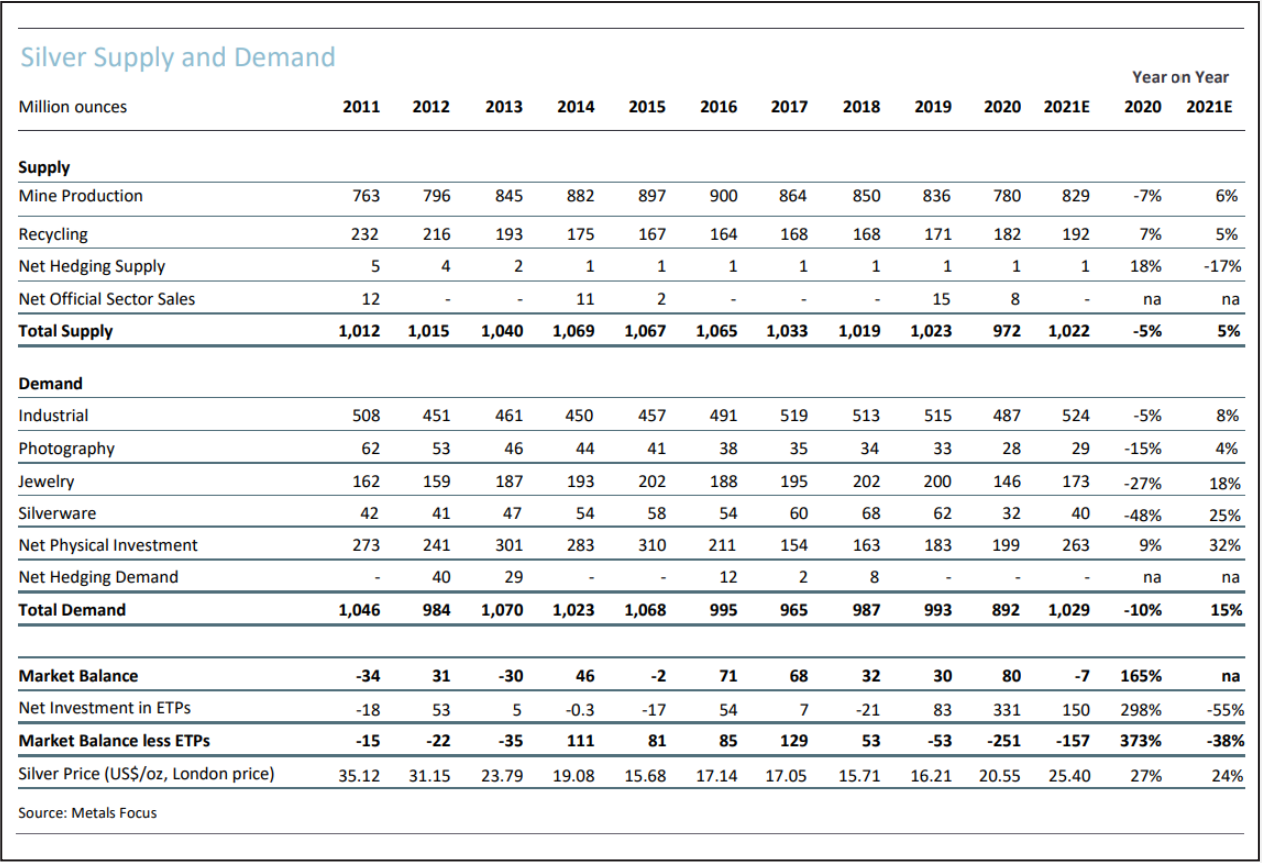
Global demand for silver exceeded 1 billion troy ounces this year, reaching its highest level in six years. That's what it writes Silver Institute in a new update on the silver market. Investment silver was particularly popular, as demand for coins and bars increased by 34% compared to last year. Silver ETFs also saw their stocks rise further this year.
Due to low interest rates and high inflation, more savers and investors are seeking refuge in precious metals. Throughout history, these two precious metals have managed to retain their purchasing power, especially in times of crisis. We also saw a sharp increase in demand for physical silver this year. This year we sold over a million Silver Coins, double the number of last year.
Compared to last year, global demand for silver coins and bars increased by 64 million troy ounces to a total of 263 million troy ounces. Demand increased in the United States in particular. For the first time in six years, it exceeded 100 million troy ounces. The Silver Squeeze at the beginning of this year gave an extra boost to the market. Many investors then bought silver coins and bars, forcing mints worldwide to scale up their production. Silver ETFs also saw an influx of new investors. The inventories of these funds increased by 150 million troy ounces this year. Over the past three years, stocks have grown by 564 million troy ounces. Globally, these funds now manage 1.15 billion troy ounces of silver, almost as much as the record 1.21 billion troy ounces set in early February.
Not only has the demand for investment silver increased this year, industrial demand has also picked up further. Due to the many people working from home, there is more demand for electronics, which often contain silver. According to the Silver Institute, industrial use of silver rose 7.6% this year to 524 million troy. A large part of this increase was accounted for by solar panels. More than 110 million troy ounces were used for this this year, an increase of 13% compared to last year.
This contribution comes from Geotrendlines