English
EN


The price of palladium continues to rise, reaching a new all-time high of more than €40,000 per kilogram this week. The price increase is the result of scarcity in the market, as there is a high demand for catalytic converters that can reduce harmful emissions from cars due to stricter environmental requirements. This requires more and more palladium, while the supply is lagging behind. Above-ground supplies are declining rapidly, causing prices to rise.
The price of the precious metal has been in an uptrend for months and has risen by 55% in a year. Johnson Matthey, a company that processes both platinum and palladium, wrote in its Half-yearly report that it is taking into account a deficit of 1 million troy ounces this year. This means that the deficit is even greater than in recent years. Car manufacturers in Europe and China in particular are contributing to the shortage.
In recent years, shortages in the market have been compensated for by selling stocks from so-called exchange traded funds (ETFs). At its peak in 2014, there were 3 million troy ounces of palladium in these funds, but now only 730,000 troy ounces remain. Investors have been putting more supply on the market in recent years, but have now stopped doing so. The stocks that Russia have put on the market in recent decades have also largely been used up. It is not known how much palladium the country still has on hand, but it is clear that there is no longer that much supply on the market.
The price of the grey precious metal has risen by more than half in the past twelve months. The precious metal is even more expensive than gold at the time of writing. According to Citi, this trend will continue in the coming months, as there is no easy solution to the shortage. In a recent report, they take into account a further increase in the palladium price to $1,600 per troy ounce. On Friday afternoon, the price was $1,412 per troy ounce.
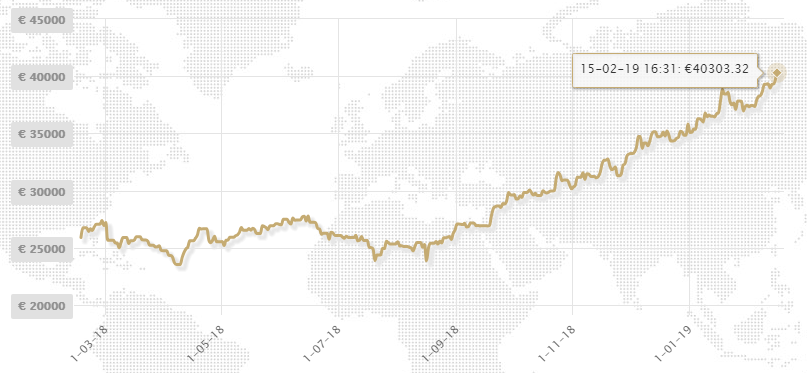
Palladium price has risen by more than half in a year