English
EN


Ursula von der Leyen wants a much larger EU budget, but that money has to come from somewhere. Macron is therefore looking for new revenue sources for Brussels, but why does he not simply want to cut Ursula’s budget or make France pay more? Ultimately, the bill will also land on your doorstep if his plans go ahead.
Emmanuel Macron has instructed his government to find new taxes, but this time they should not end up solely on France’s plate. Last year, you already read that Ursula von der Leyen wants to increase the EU budget from €1.2 trillion to €2 trillion. But of course, that money has to come from somewhere.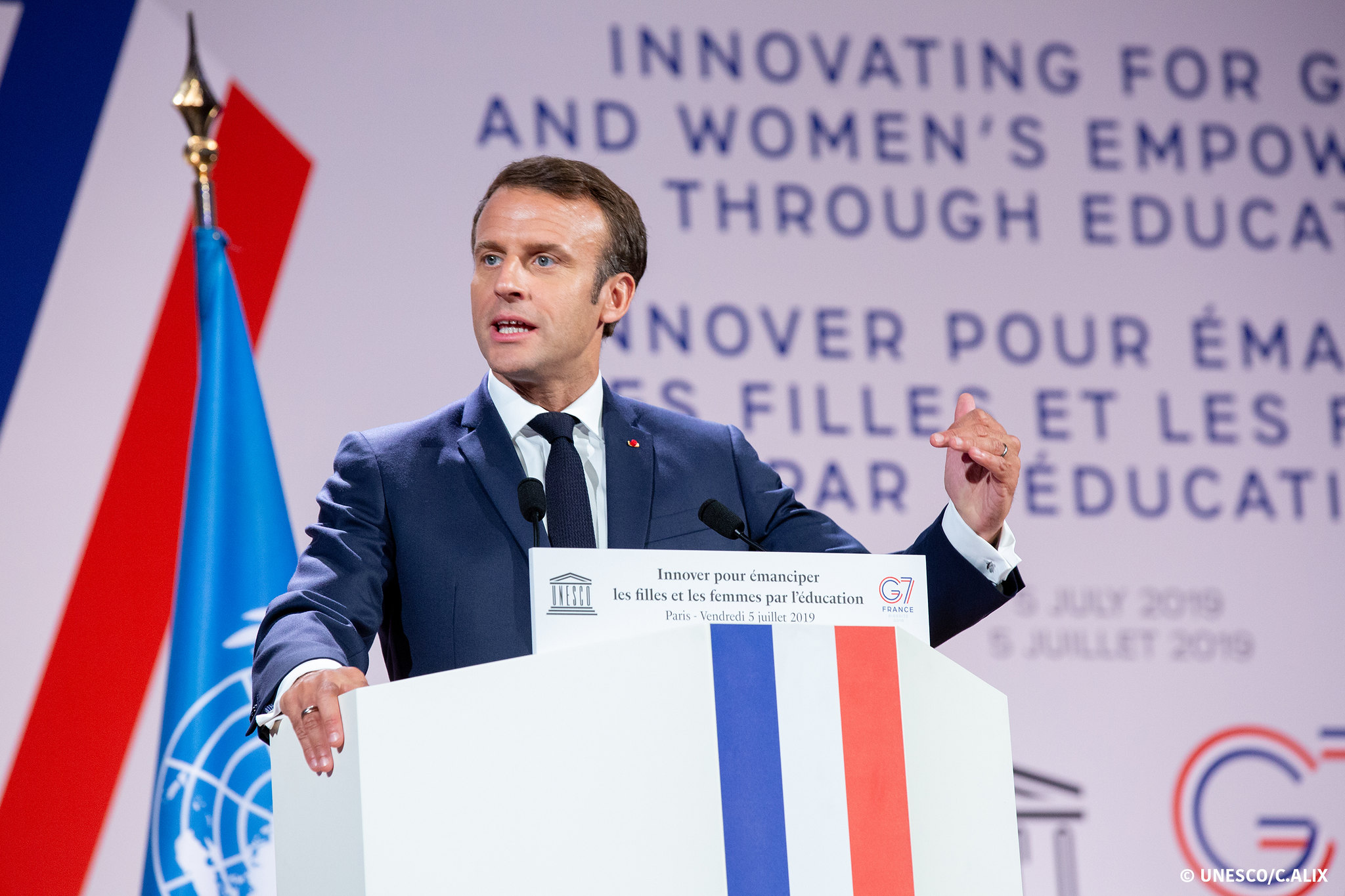
Macron in 2019 (source: Unesco)
Macron is now looking at new EU-wide taxes to prevent Paris itself from having to transfer more money to Brussels. The money should not come from higher contributions by national governments, but from new levies that would allow Brussels to raise revenue directly. According to Politico, France is mainly looking at levies on foreign companies, because this could potentially count on unanimous support from the 27 member states.
There was already a proposal from the European Commission for a package of new revenue sources, but EU governments failed to reach agreement on it. This tax package included levies on CO2 imports, CO2 emissions, electronic waste, tobacco revenues and corporate profits. According to opponents, these measures would hit certain domestic industries disproportionately hard.
It is, however, naïve to think that a tax on foreign companies will not affect you. The money has to come from somewhere, so it stands to reason that foreign products and services will become more expensive if these new levies are introduced. Air France-KLM, for example, played a role in the idea of imposing stricter climate obligations on foreign airlines. In practice, that could make foreign competitors less competitive, in other words more expensive.
A good example is the new EU-wide import levy that has applied since Wednesday to cheap online orders from outside the EU. From 1 July, Brussels is scrapping the customs exemption for parcels worth less than €150 and introducing a fixed levy of €3 per item. Officially, this measure is intended to put an end to the market-distorting advantage that Chinese platforms such as SHEIN, Temu and AliExpress are said to have over European retailers.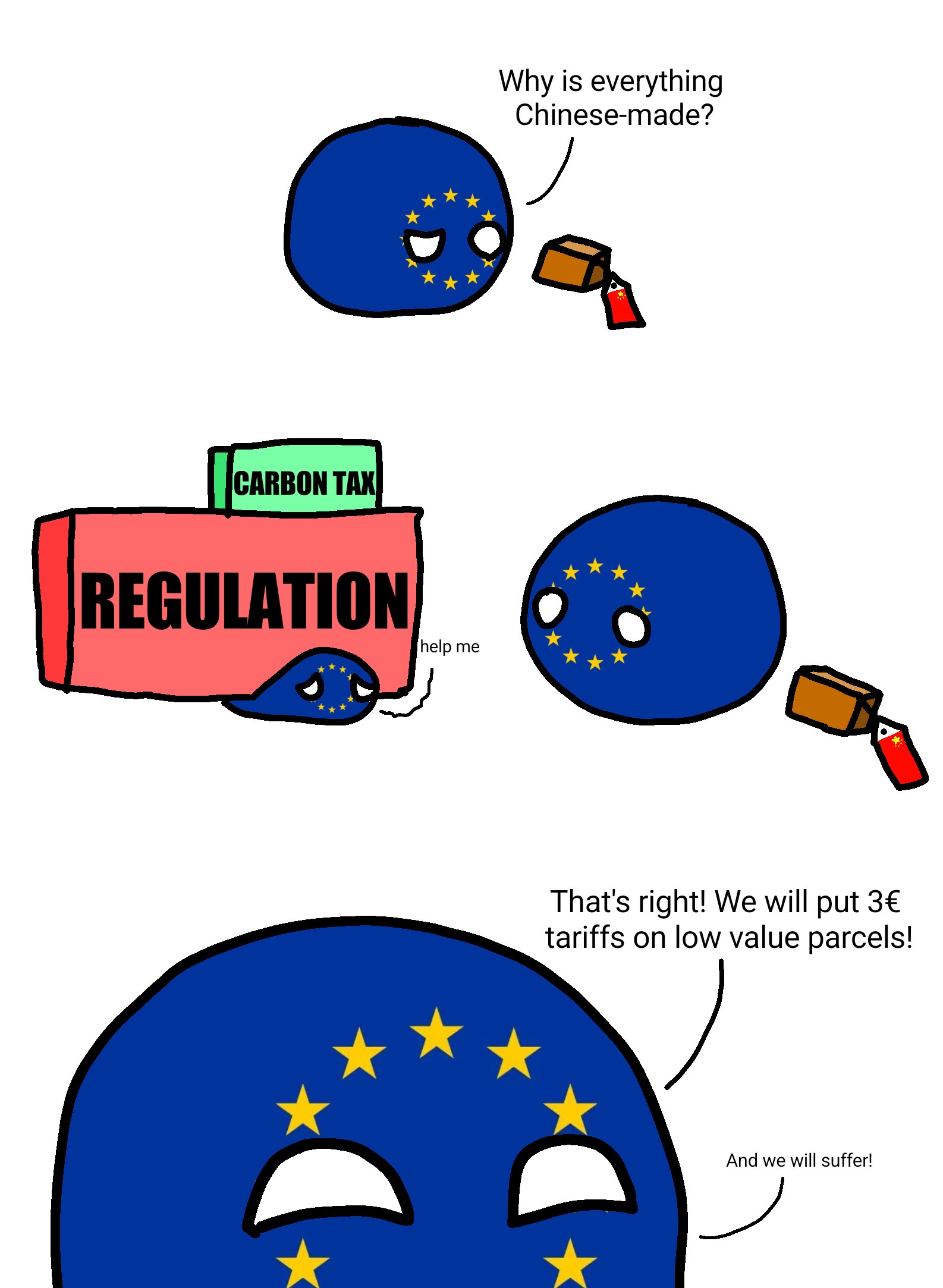 In practice, it often means that the consumer is largely presented with the bill, because companies can pass the extra levies on in their prices. What previously arrived as a bargain purchase will soon be made more expensive via Brussels, and this will then be sold to you as paying the “real price”.
I can hear you thinking: perhaps they should simply not increase the budget, and then the problem would be solved. But that is not how powerful France thinks. Paris benefits greatly from a large EU budget, because the country receives a lot in agricultural subsidies. Cutting the EU budget would therefore also mean, for France, that money flows from which it benefits could be reduced.
Resistance to a higher EU budget naturally comes mainly from net contributors such as Germany, Sweden, Austria and the Netherlands. After all, they are the ones who largely have to pay the bill. Even the Europhile Prime Minister Rob Jetten did not immediately agree to the proposal. The cabinet previously called an increase in the EU’s multiannual budget “unacceptable”.
This week, Germany proposed cutting the seven-year EU budget by €400 billion. EU Budget Commissioner Piotr Serafin then warned that such sharp cuts could hit precisely the priorities of the frugal member states. According to him, new spending on defence and competitiveness would then probably be the first to be scrapped.
The French government is therefore playing a clever game. The goal is to prevent Paris from having to choose between paying more into the EU budget or accepting cuts to agricultural subsidies, which would mean France itself receiving less money from Brussels.
Regular readers know that the French government is financially cornered. The country is struggling with a high national debt and budget deficits that it simply seems unable to bring down. Earlier this year, French public debt rose above €3.5 trillion, 117.5% of GDP. By comparison, Dutch public debt stood at 44.4% of GDP at the end of 2025.
There no longer seems to be any normal political solution possible within France, which is why Paris is looking to Brussels. France needs to reform but cannot do so, and the European consumer will end up paying the bill if the French plans succeed.
French Finance Minister Roland Lescure now says he wants to bring the budget deficit down to 5% of GDP. That is still far too high. Moreover, it is highly questionable whether he will succeed where so many before him have failed. Above all, he also seems to be pinning his hopes on some kind of magical economic growth, but that seems highly unlikely.
ING stated this week that industry, the main engine of French growth, is losing momentum. Vehicle production, for example, fell by 4.7% month-on-month in May and was 7.2% lower than a year earlier. “French growth lacks a clear engine,” according to ING. The bank expects growth of just 0.4% this year, followed by 0.9% in 2027.
According to the new Eurobarometer, almost one in three Europeans expect their standard of living to decline. In France, as many as 44% of respondents expect their situation to worsen, the highest percentage in the entire EU.
In Paris, there are fears over the rise of Marine Le Pen’s Eurosceptic Rassemblement National. If France has to transfer more money to Brussels, that would be grist to the mill for her party. Rassemblement National is currently leading in the polls for the presidential election in April 2027.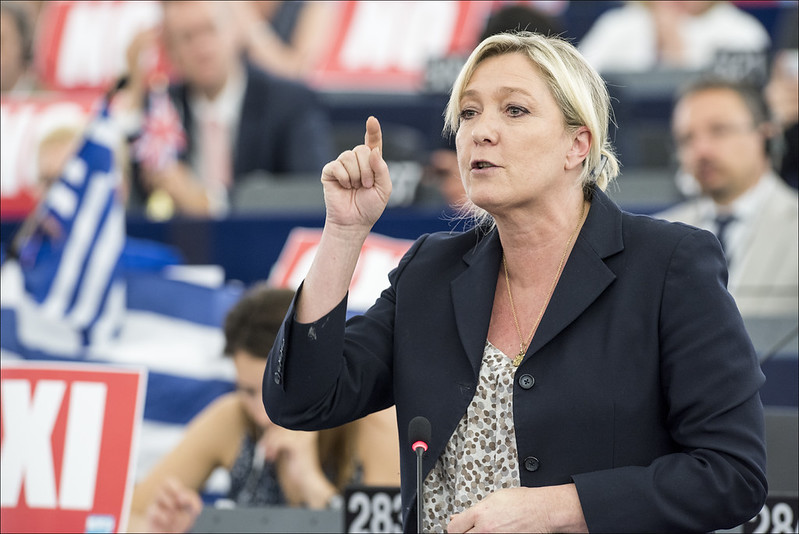
Marine Le Pen (source: European Parliament)
Marine Le Pen may possibly be barred from participating in the 2027 presidential election. Next week, an appeal will have to determine whether she can remain a candidate. But even her possible replacement Jordan Bardella, who previously indicated that he wants to bring power back from Brussels to Paris, does not appear to be safe either. He is now under investigation for possible misuse of EU funds. Rassemblement National itself speaks of politically motivated prosecution and accuses European prosecutors of deliberately trying to damage the party.
Macron therefore wants new EU taxes because Paris is financially cornered while at the same time unwilling to give up the benefits of a large EU budget. Transferring more money to Brussels itself is politically risky, especially now that Rassemblement National is riding high in the polls, many French people are gloomy about their future and the budgetary room for manoeuvre simply is not there. Cutting the EU budget is also unattractive for France, because that could mean cuts to agricultural subsidies and other money flows from which the country itself benefits. That is why Macron is looking for new EU-wide taxes that would allow Brussels to raise money directly. If the French plans go ahead, you will ultimately pay the price.
Also take a look at our YouTube channel
On behalf of Holland Gold, Paul Buitink and Yael Potjer interview various economists and macroeconomic experts. The aim of the podcast is to give viewers a better understanding of, and more guidance in, an increasingly fast-changing macroeconomic and monetary landscape. Click here to subscribe.