English
EN


Due to the corona crisis, central banks have started to look more positively at gold. More central banks also expect to further expand their gold reserves. This is evident from a New Survey among 26 central banks worldwide, conducted by news site Central Banking and asset manager Invesco. A quarter of central banks now see gold as a more attractive reserve, although some central banks are seeing the high Gold price have become somewhat reluctant to buy.
Central banks cite several reasons for holding gold stocks. The three most important are diversification (64%), low real interest rates (41%) and international geopolitical tensions (32%). The historical return of gold is also cited by several central banks (27%) as a reason to hold gold. Less important are the weaker dollar, the corona pandemic and declining economic growth (18% each). Central banks in rich countries also appear to attach particular importance to diversification, while the less wealthy countries mainly Buy gold because of low interest rates.
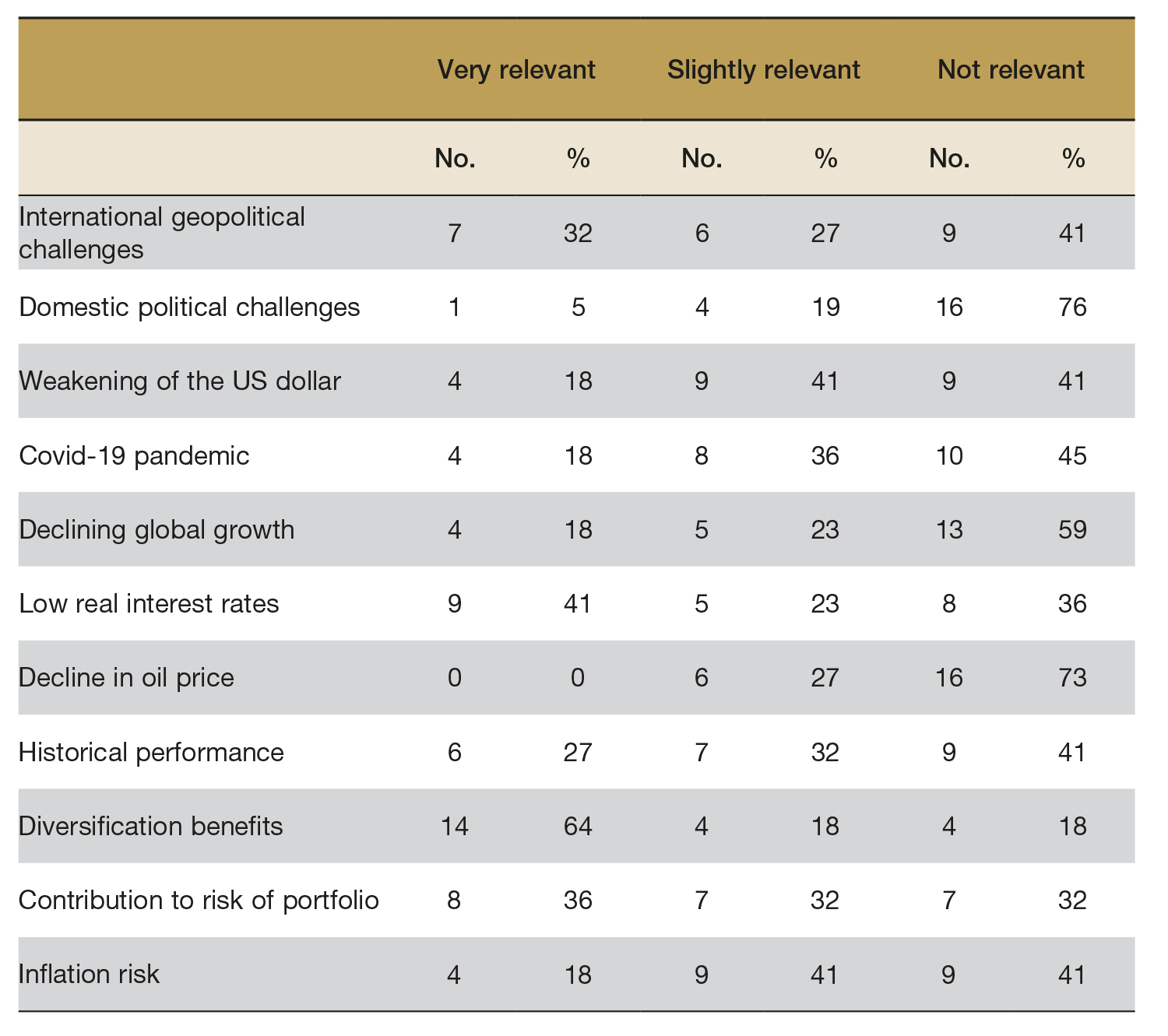
Why do central banks hold gold stocks? (Source: Central Banking)
Of all respondents, a majority indicated that they plan to buy more gold in the next twelve months. A number of central banks do not yet know or plan to keep the gold supply at the same level. None of the respondents intend to gold to sell. The survey found that central banks in richer countries are generally satisfied with the size of their gold reserves, while central banks in less wealthy countries unanimously want to increase their stocks over the next twelve months.
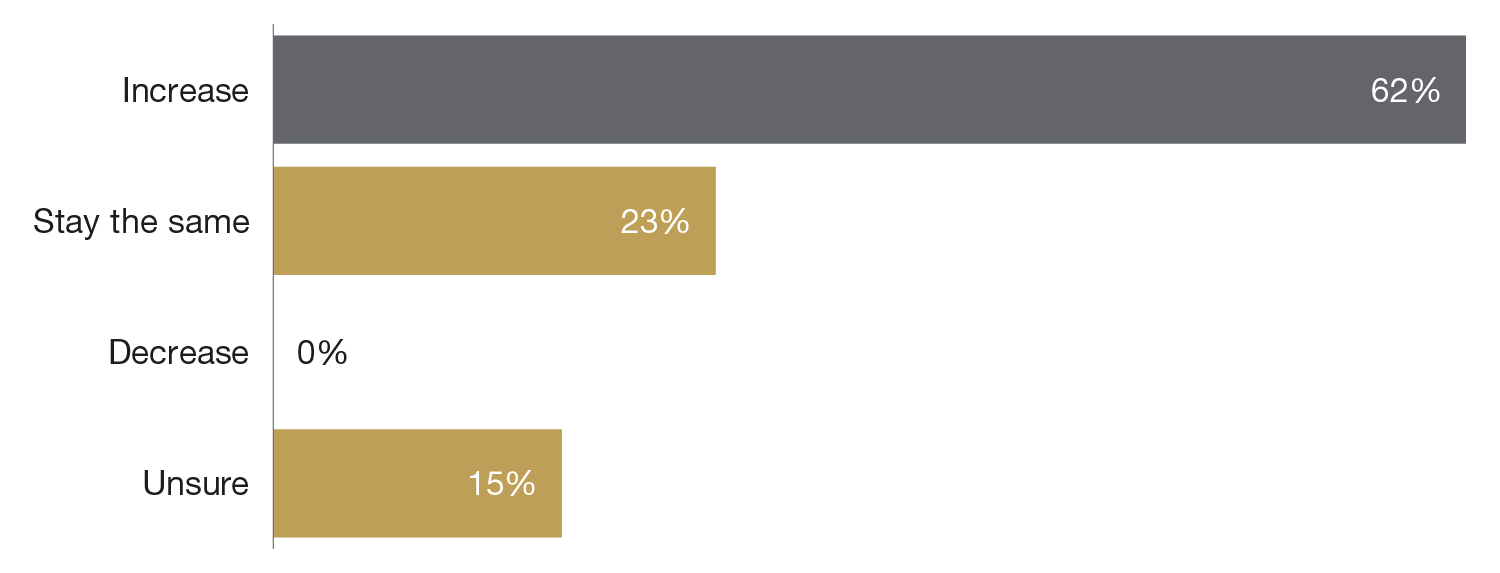
Central banks want to buy more gold, especially in the less wealthy countries (Source: Central Banking)
Most central banks buy their gold through the global market. Only two central banks surveyed do so through the domestic market, while four do so through gold derivatives. It is striking that one of the central banks buys gold through ETFs, an instrument that is normally used by private investors and investment funds. Unfortunately, this question was not answered by 11 of the 26 central banks.
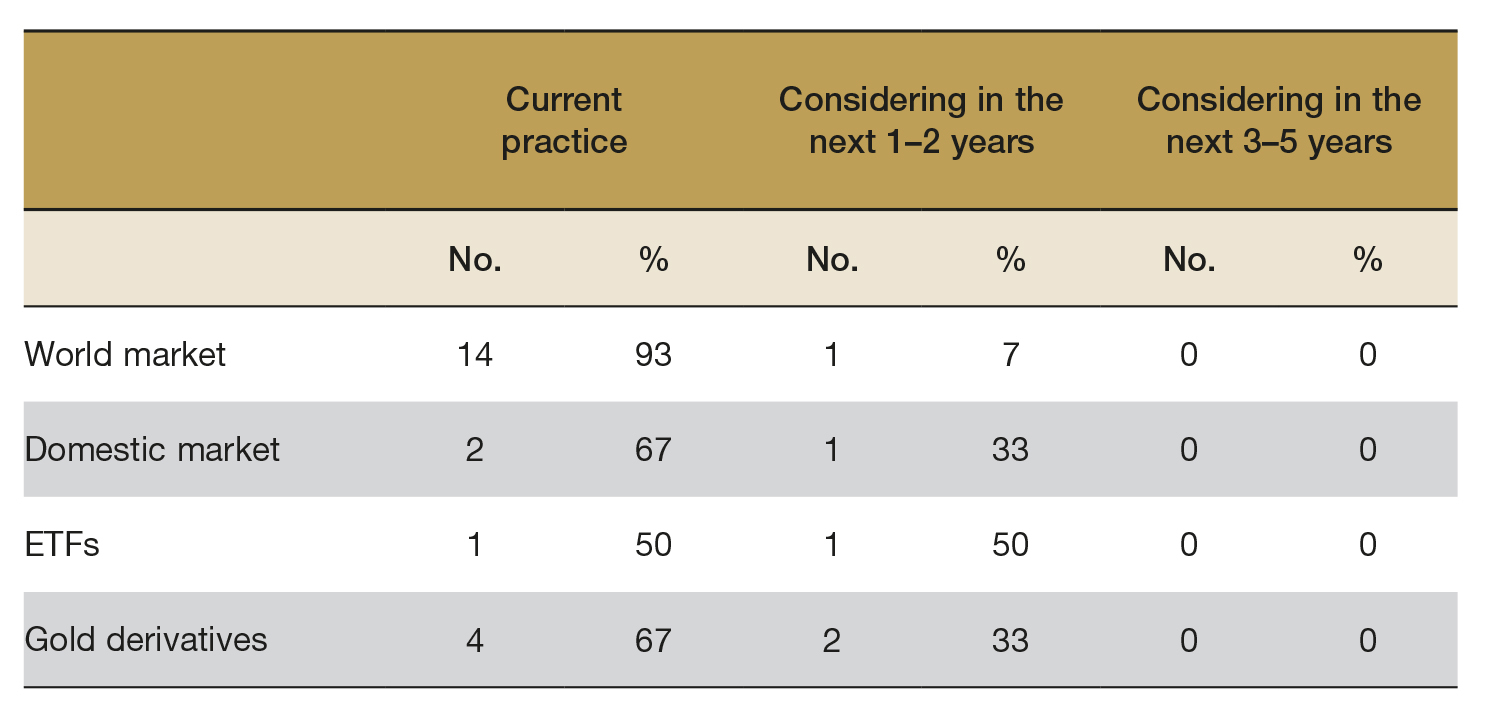
Where do central banks buy gold? (Source: Central Banking)
The next question is where central banks keep their gold reserves. This question was answered by 21 of the 26 central banks, with some providing multiple answers. Most appear to opt for storage abroad (81%). Of this group, almost half also store gold in their own country. This form of diversification is common for central banks, especially when they have a large gold reserve. Two of the central banks surveyed do not have storage space for gold.
It is striking that there are large differences in the percentage of the gold stock that central banks hold abroad. For 41% of those surveyed, this is almost their entire gold reserve, for a quarter it is less than 5%.
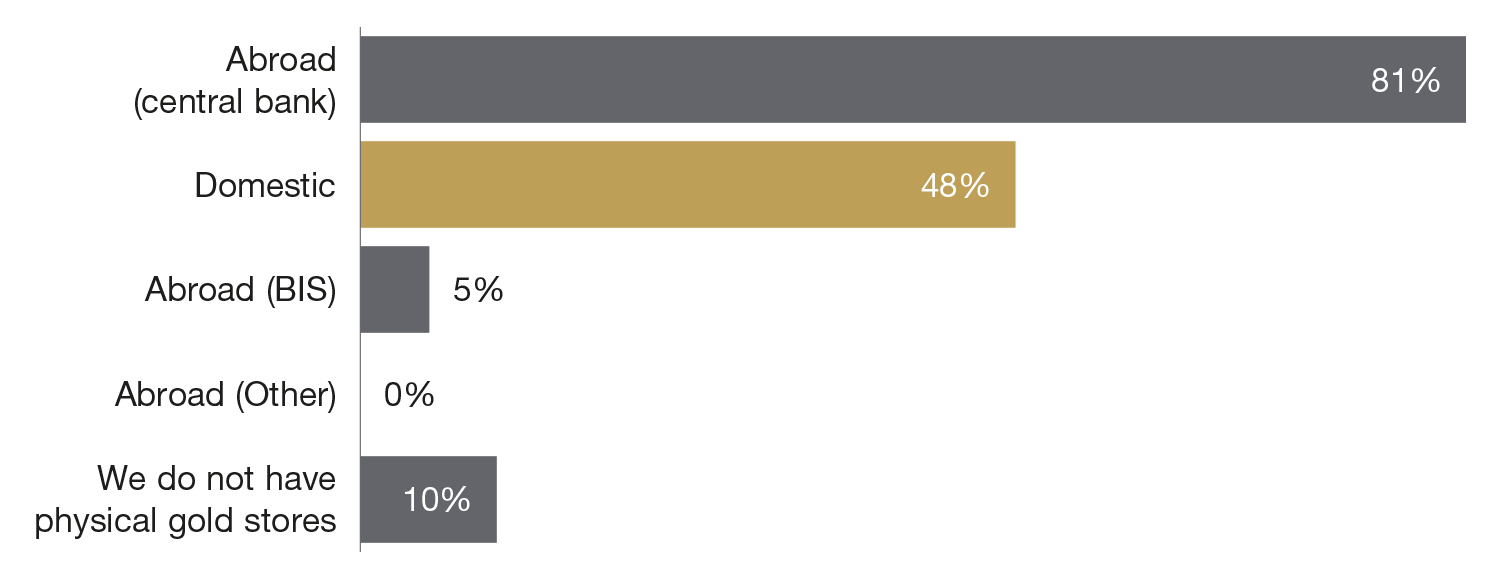
Most central banks store (part of) their gold abroad (Source: Central Banking)
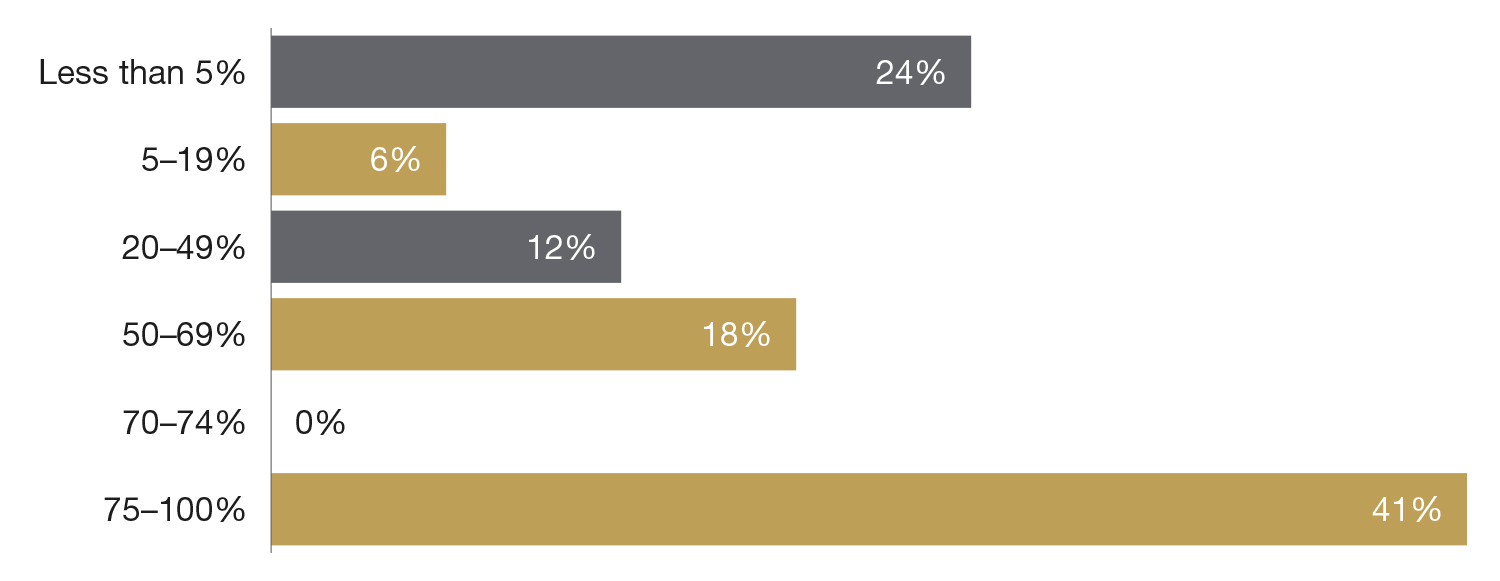
Large differences in gold allocation by central banks (Source: Central Banking)
The Bank of England plays an important role as a central repository for central banks. Many central banks around the world store their gold stash in the gold vaults in London. These are often countries that do not have a good gold vault of their own or that find it safer to store the gold in the United Kingdom for geopolitical reasons. However, Venezuela does not have a good experience with the Bank of England. Maduro's government tried to repatriate some of its gold holdings last year, but that request was rejected refused. Later, Maduro was given equal.
Central Banking asked if this incident has changed the stance of other central banks. A very political question, the outcome of which will not surprise you. Despite the fact that the survey was completed on condition of anonymity, none of the central banks dared to express doubts about the reliability of the Bank of England as custodian of central bank gold.
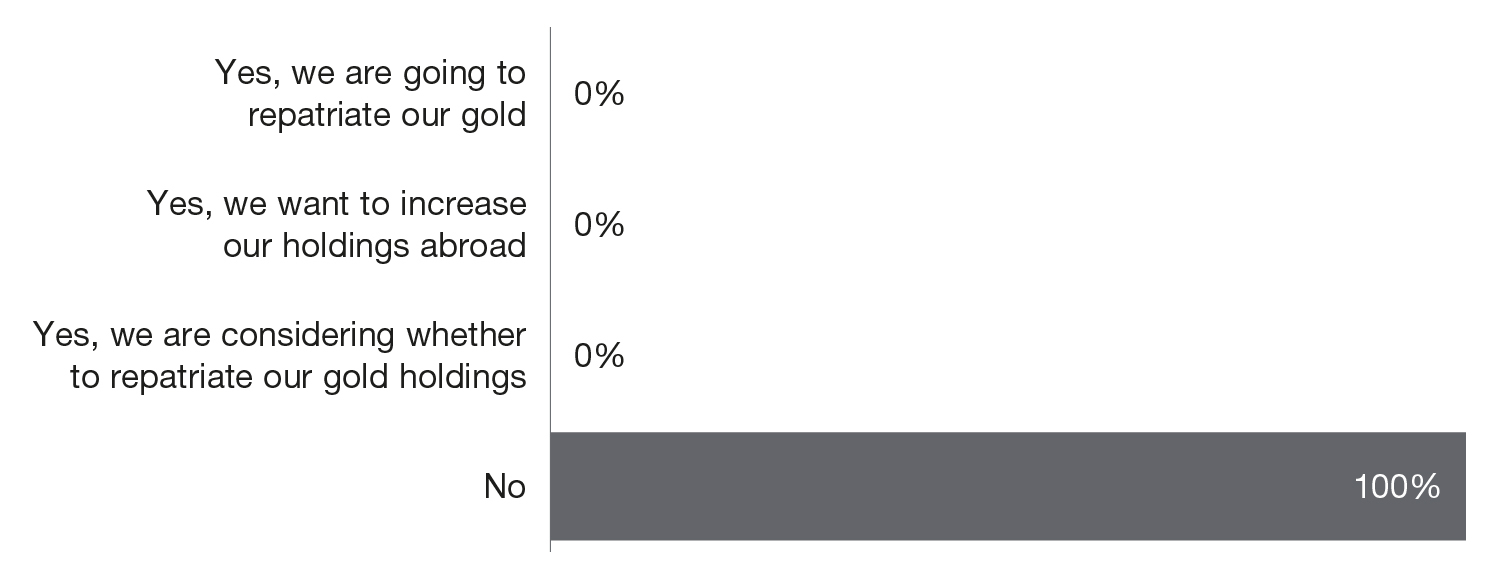
Central banks still have confidence in the Bank of England (Source: Central Banking)
This contribution was made from Geotrendlines