English
EN


The Gold price slumped more than 2% on Thursday due to a better-than-expected U.S. labor market figure. The number of unemployment benefits fell by 34,000 to 262,000 in the week ending April 25, the lowest value since April 2000. This figure gives more investors confidence that the US central bank will raise interest rates in the short term.
Interest rate hike
Investors are keeping a close eye on macroeconomic data on the U.S. labor market, as these are the numbers that the Federal Reserve has aligned its policy with. With a strong enough recovery in the labor market, the central bank wants to raise interest rates, making it less attractive buy gold as an alternative investment.
Ultimately, the interest rate hike will determine the development of the Gold price in the longer term, because the precious metal has historically shown a negative correlation with real interest rates. Silver often moves along with gold and usually goes down a bit more in price on bad days. That was also the case on Thursday. case. While the gold price fell by 2% to $1,181 per troy ounce, the price of silver fell by 4% to $15.93 per troy ounce.
Prices of both precious metals were also under pressure due to an improvement in consumer spending in the U.S. The U.S. Department of Commerce recorded a 0.4% growth in total spending in March, mainly because Americans made more large spending.
Exchange rate
The decline in the price of gold is exacerbated by an exchange rate effect. The euro rose to $1.12 against the dollar on Thursday, with the result that gold in euros became even cheaper.
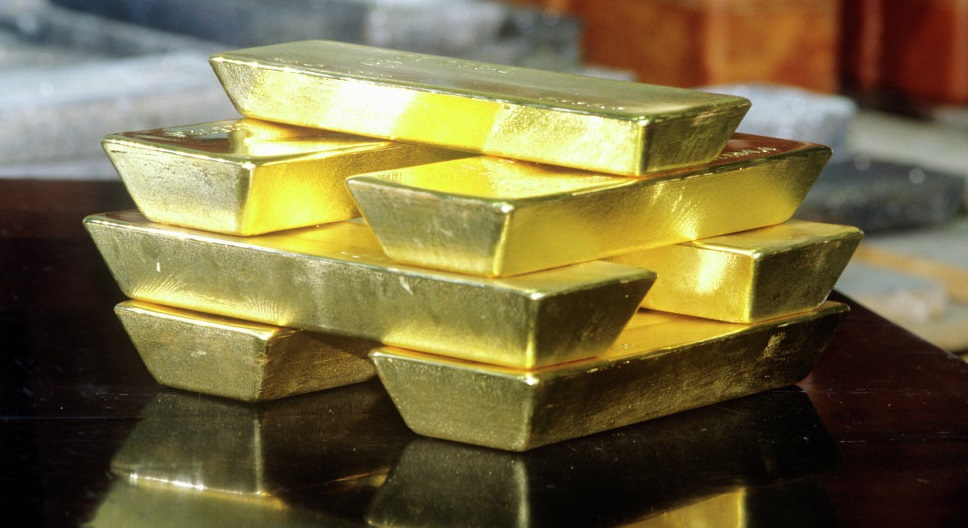
Gold price down due to better-than-expected US labour market figure