9.3
8.064 reviews

English
EN


Several gold traders in Europe saw an increase in gold sales in January due to heightened concerns about the economy. Due to the elections in Greece and the ECB's stimulus program, more savers dared to take the step to buy gold, writes Reuters.
For example, German smelter and trader Degussa saw a 35% year-on-year increase in sales of Gold Coins in Germany. "It was very busy in January with elections in Greece and the shock of the Swiss franc that prompted investors to buy gold. In the end, it was a new record month in terms of revenue from sales to consumers," said Wolfgang Wrzesniok-Rossbach of Degussa.
However, there were also people who had seen the increase in Gold price to sell. "The reasons for this are diverse. Usually these are profit-taking, but there were also customers who were disappointed with the decline in the gold price over the past eighteen months. They are leaving the market, now that they are back to the price at which they entered in terms of euros," Wrzesniok-Rossbach added. The gold price in euro rose to a 21-month high in January and reached a level of more than €1,150 per troy ounce.
Gold trader CoinInvest.com saw a sharp increase in the demand for gold from Greece. While the company normally sells around €200,000 per month to customers in Greece, in the last week of January it was ten times as much, namely €2 million.
The Austrian mint, the producer of the gold Philharmoniker and silver Philharmoniker investment coins, saw sales of gold coins rise by six percent in January compared to the same month last year. Total sales in January amounted to 44,715 troy ounces. This is despite the fact that the U.S. Mint In January, gold sales fell 11% from a year earlier and the Australian Perth Mint saw monthly sales of gold bars and coins fall to its lowest level in almost three years.
There is not the same level of interest in buying gold everywhere in Europe. According to Hanneke van Hooff, manager of Hollandgold, sales in January of this year were 2.3% lower than in the first month of last year. At the time, sales were driven by bargain hunters who took advantage of the lowest price in more than three years. "The price of a kilo of gold then reached a bottom of €28,000 per kilo, while the price in January of this year averaged around €34,000 per kilo", says van Hooff.
The increased interest in gold was accompanied by a sharp fall in the euro against the dollar, as the measures taken by the Swiss central bank and the ECB reduced confidence in the European currency. In January, the Gold price from €978 to €1,130 per troy ounce, an increase of 15.5%. This also includes an exchange rate effect, as the euro fell from 1.21 to just over 1.13 dollars in January. In dollar terms, the gold price rose from $1,184 to $1,278 in January, an increase of almost 8%. Since the announcement of the ECB's stimulus program, the price of the yellow metal has fallen another eight percent.
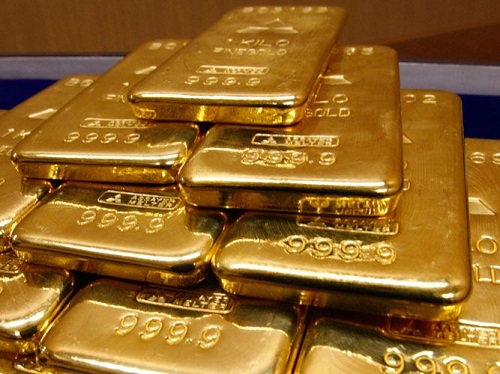
European savers bought more gold in January


